Beyond a dot on the map: Turning trailer tracking into ROI
Key takeaways
- Connected trailer technology is evolving from simple location tracking to providing comprehensive operational, health, and cargo insights.
- Real-time data helps fleets optimize trailer utilization, reduce excess capacity, and defer significant capital expenditures.
- Combining trailer data with vehicle, driver, and video telematics creates a holistic view of fleet activity, improving decision-making and efficiency.

For years, asset tracking answered one simple question for fleets: Where is the trailer?
Today, fleets are asking much more. Are trailers being utilized efficiently? Are components showing signs of failure? Is cargo moving as expected? Is an asset sitting in a yard creating value—or becoming a cost?
Advances in connectivity, software, artificial intelligence, and sensor technology are transforming trailers from passive equipment into connected assets that give fleets a real-time view of asset performance. Using that data, fleets can improve utilization, reduce downtime, and respond more effectively to challenges.
This shift is reflected in the growing adoption of trailer telematics and connected fleet technologies. According to Fortune Business Insights, the global trailer telematics market is projected to reach $3.02 billion in 2026 and increase to $7.04 billion by 2034, representing an annual growth rate of 11.2%.
The trailer becomes a source of intelligence
As asset tracking capabilities mature, fleets are increasingly seeking technologies that provide a more complete operational picture.
“Location is the starting point,” David Wootten, senior product manager at Geotab, said. But as the technology evolves, asset tracking is expanding into operational, health, and maintenance metrics that help fleets better understand how they use their assets.
“It’s going beyond ‘Where’s my trailer?’ to ‘Who’s accessing my trailer? What’s inside the trailer? How is the trailer performing? Do I have the right trailers on the road?’” Wootten said.
This expanded view is reshaping how fleets manage trailers throughout their life cycle. Instead of relying on periodic yard checks or reacting after problems occur, fleets are turning to advanced asset tracking capabilities to take a proactive approach. These technologies let fleets monitor equipment health, assess real-time cargo status, optimize utilization, and identify operational bottlenecks before they affect service.
Mark Wallin, president and general manager of Phillips Connect, describes this evolution as a shift beyond the “dot on the map.” While that visibility remains important, fleets want much more from their connected assets.
“Location was the starting point, and for most of the industry, it was enough for a long time,” Wallin said. “What’s changed is what fleets are trying to solve for: How many trailers are leaving the dock three-quarters full, which terminals are driving that gap, whether a tire is going to fail before a driver ends up stranded, and whether detention at customer facilities is costing them money they could be recovering.”
As fleets gain a deeper understanding of their trailer operations, the focus is shifting from simply knowing where assets are to understanding how those assets can reduce costs and increase efficiency while improving overall fleet performance.
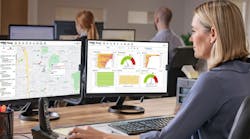
 2026 asset tracking devices help trucking fleets monitor cargo and equipment
The value of trailer data increases when it’s combined with vehicle, driver, and video telematics data. According to Brendon Hill, SVP of product at Lytx, fleets are bringing those data sources together to create a connected view of fleet activity instead of treating trailers as standalone assets.
“Bringing that data together helps move from a partial view of operations to a more complete understanding of what’s happening across their people, vehicles, assets, and customer commitments,” Hill explained.
Turning data into operational value
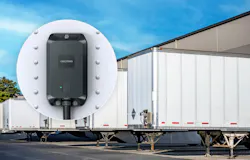
One of the clearest opportunities for asset tracking technology is trailer utilization. Fleets often maintain larger trailer pools to accommodate changing capacity as needed. But without real-time visibility into asset movement and usage, many end up with more equipment than they need, tying up valuable capital.
“Most fleets are covering three to four times the number of trailers they actively use,” Wootten said. Considering trailers can cost between $15,000 and $100,000, according to Norstar, that surplus stock adds up to a significant investment.
By increasing visibility into where trailers are deployed and how frequently they’re used, fleets can optimize their trailer pools and reduce excess capacity. Wootten said Geotab has seen customers defer $3 million to $4 million in capital spending by improving trailer utilization.
Fleets are also using connected trailer data to address maintenance challenges before they become costly roadside events.
Refrigerated trailers need even more continuous monitoring because they are active assets with refrigeration systems, sensors, and onboard controls.
Scott Blair, associate director of telematics at Carrier Transicold, said telematics gives fleets visibility beyond location, helping them detect potential issues before they threaten temperature-sensitive freight.
“Instead of discovering a temperature excursion or mechanical issue after it happened, fleets can identify problems early and respond before they put a perishable load at risk,” Blair said.
Tire health has also emerged as one of the strongest examples, with fleets using connected sensors and monitoring systems to identify failures before they occur.
“Tire health and cargo intelligence tend to generate the clearest, fastest ROI,” Wallin said. “Preventing a single blowout—along with the service call, downtime, and delivery disruption that typically follow—often justifies the TPMS [tire pressure monitoring system] technology cost on its own.”
But maintenance is only one area where fleets are applying trailer intelligence. Asset tracking data is also helping operators identify inefficiencies in how trailers move through the supply chain.

By combining real-time location data with geofencing and automated alerts, fleets can track how long trailers stay at specific facilities and identify when delays begin affecting operations. This information enables fleet managers to address bottlenecks and reduce detention-related costs while improving trailer availability.
Wootten said some customers have saved $50,000 to $75,000 annually with smart dwell-time alerts that notify teams when trailers approach thresholds that could trigger detention fees.
Connected asset data is also helping fleets streamline day-to-day operations. Hill said fleets are using connected trailer data to reduce yard searches, improve dispatch decisions, and avoid unnecessary equipment rentals or replacement purchases.
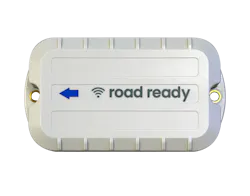
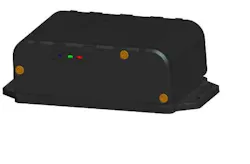
The technology is also helping fleets gain visibility into non-powered and infrequently used equipment. For example, Road Ready recently introduced TrackRR Lite, a battery-powered asset tracking device built for trailers, storage containers, and other specialized equipment. The wire-free device transmits GPS location updates over secure LTE-M networks and is designed to operate for years on a single battery. It lets fleets balance reporting frequency with battery life, making asset tracking practical for equipment that doesn’t need a full telematics system.
Blair explained that refrigerated fleets are seeing similar benefits by combining multiple operational data points, including trailer location, temperature, fuel levels, battery health, and equipment status, into a single view.
“Location is important, but so is knowing whether the reefer unit has fuel, whether the battery is healthy, and whether it’s maintaining the right temperature,” Blair said. “Fleets use that complete picture to prioritize maintenance, send a technician before a failure occurs, reduce unnecessary yard checks, and have fewer surprises.”
As fleets collect more data from asset tracking technology, the next challenge is using that information to anticipate issues before they occur.
The next evolution: AI and predictive intelligence
For fleet operators, the value of connected trailer data will increasingly come from what they can predict—not just what they can see at any given time.
Artificial intelligence (AI), unsurprisingly, is becoming a key enabler of that shift. Using AI, fleets can analyze vast amounts of data and identify patterns that help operators act faster and more effectively.
Hill said AI delivers the most value when it helps fleets move from identifying issues to addressing them rather than simply surfacing more information.
“AI is most valuable when it helps fleets get to the next-best action, not just the next data point,” he said.
Instead of forcing managers to comb through dashboards, AI can surface unusual asset movements, excessive dwell times, underutilized equipment, and other operational inefficiencies that need attention.
“AI cannot operate without rich data,” Wootten said. “The companies that are going to win are the companies that can capture that data across multiple points in the fleet and combine those to provide better outcomes.”
According to Wootten, unifying data from trailers, tractors, cargo, and other fleet systems will enable AI models to move beyond visibility into predictive applications. These include forecasting maintenance needs, identifying operational efficiencies, and even helping fleets recognize conditions that could increase cargo theft risk before an incident occurs.
Wallin sees a similar shift taking place. Instead of simply collecting more trailer data, fleets are looking for platforms that can automatically turn that information into actionable business insights.
“The most meaningful shift over the next three to five years will be the move from data collection to intelligent decision-making,” Wallin said. “AI-driven anomaly detection, predictive maintenance triggers, and tighter integration between trailer intelligence and transportation management systems will make that data practical at scale in ways it simply hasn’t been before.”
For fleets, the future of asset tracking lies in turning connected asset data into intelligence that helps operators anticipate challenges and optimize fleetwide performance. As trailer, vehicle, driver, safety, and maintenance data become increasingly connected, fleets will be better equipped to act earlier, operate more efficiently, and unlock more value from every asset they manage.
About the Author
 Justin Reynolds
Justin Reynolds
Contributor
Justin Reynolds is a B2B technology writer and editor with 20 years of experience telling stories about innovation and its impact on the way we work and live. He started his career in journalism, spent two years at a B2B tech agency, and has worked as a full-time freelancer since 2015. He lives in Connecticut.