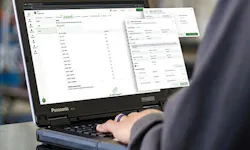
Learn about Noregon's 30-year history helping the industry maximize uptime and advance technician skillsets. OTHER Learn about Noregon's 30-year history helping the industry maximize uptime and advance technician skillsets. OTHER Get diagnostics tips, training updates, and product updates delivered to your inbox. Setting the right margin for each part can be challenging, but it’s essential for maintaining consistent and profitable pricing. A parts pricing matrix is a structured pricing system used by shops to markup diesel parts based on cost, vehicle component, and tier. Throughout this article, we’ll dive into the details of a parts pricing matrix, and cover the exceptions, such as how to handle customer discounts and credits. Many shops fall into the trap of emotional pricing, such as lowering prices to please a customer or adjusting numbers to make an estimate look better, which typically reduces profits. To avoid emotional pricing and other pitfalls, ShopPulse helps small fleets and independent shops automate markups using a predefined matrix so pricing stays consistent. Throughout this guide, we’ll explain how to set the right margins, avoid clerical errors, and streamline pricing for your shop or small fleet. The Risks of Emotional Pricing What is emotional pricing? It’s setting prices based on fear, guilt, or customer pressure instead of data that keeps your shop profitable. For example: A customer is short a couple hundred dollars, so an employee says, “Just this once…” Another customer complains that the price is too high, so the shop adjusts it to avoid losing the job. These are common examples of emotional pricing. While they may seem harmless, months later you often end up with underpriced invoices, uneven margins, and confused customers. Using your actual data (costs, market, and profit goals) helps replace emotional decision-making with consistent markup strategy. Finding the Best Margin for Your Business There isn’t a “one size fits all” answer, and ShopPulse’s default matrix is based on research conducted by Noregon’s Product Manager, Zach Jones. Jones states, “As a former Service Manager, and after reviewing the current independent-repair market and consulting with a local Senior Parts Manager, we were able to establish the default matrix values.” However, it’s important to note that your shop or small fleet can adjust as needed. Factors That Influence Deal Margins Cost of Goods Sold (COGS) Market positioning (premium vs. budget) Local competition Customer expectations Vendor-Based Margin Strategies Dealer parts: Tighter margins but still lower than over the counter (OTC) costs Jobber vendors: Usually offer higher discounts, allowing wider margins Example: A local vendor may offer discounted pricing due to a strong relationship, which facilitates a higher markup percentage. Steps to Take Before Establishing a Set Matrix Identify at least 5 of your most-sold parts across different cost ranges Compare historical invoice pricing to the new ShopPulse matrix Evaluate multiplier accuracy for consistent profitability Typical Margin Ranges Generally 35–60%, depending on part type, availability, cost, and demand Specialty or hard-to-find parts may justify higher margins Higher-priced items typically incur the lowest percentage markup How ShopPulse Handles Margins ShopPulse uses a multiplier model: as a part’s cost increases, the markup percentage decreases. This creates balanced, predictable margins. Automated Markup System Prevents emotional overrides or one-off adjustments Customization Options Clone and customize sections of the pricing matrix. Create multiple variations if needed. To change a part’s price: Remove its vendor association or Create a new part number It’s important to note these changes will update open work orders. Therefore, all work orders will need to be closed to avoid changing the current customer’s price. How to Determine and Understand Your Margins Before committing to a standardized margin, consider: Calculate your costs: Include shipping, storage, and handling. Research competitor pricing: Understand your market’s tolerance. Set profit goals: Account for overhead and future growth. Test and adjust: Review performance and refine the matrix. Use ShopPulse’s matrix: Ensures consistency across all transactions. Using a matrix allows for easy adjustments and consistent pricing across all jobs. How to Strengthen Your Pricing Strategy Once you establish your preferred margin, you can fine-tune your approach: Seasonal adjustments: Increase margins during peak repair periods. Supplier negotiations: Secure better vendor discounts. Bundled value: Combine parts and labor for perceived value. ShopPulse advantage: Automate calculations, updates, and consistency. How to Apply Discounts and Credits While emotional pricing should be avoided, there are reasonable times to offer a discount, such as referral programs or service delays. How to Apply One-Time Discounts Apply a credit directly in the work order. Note: The credit cannot exceed the value of the part. Use a description like “Discount on Part”. How to Apply Customer-Specific Discounts Use the CRM to apply discounts for repeat or major customers. For global discounts. Ex: 10% off all parts, adjust at the matrix level – Note: This applies universally. Keep in mind: Major customers cannot be exempt from a parts matrix; discounts must be applied manually. Permissions and Control Considerations Can configure the parts matrix (General Settings > Configure Matrix). Parts Manager Login Considerations Only one technician can be logged in at a time, per device, for accurate time tracking. Tying it All Together A Modern Approach to CAN Bus Diagnostics Why traditional CAN bus diagnostics fail and how modern diagnostics identify faults faster. Guide to CARB’s Clean Truck Check Learn about California’s Clean Truck Check program and how to stay compliant with new requirements. A Technician’s Guide to DPF Regens Learn the importance of DPF regens and the costs and consequences of running them unnecessarily. Small Town Shop Offers Big-Time Services Learn how Van Cleef Auto Parts uses TaaS to provide leading service, versatility, and customer satisfaction. This whitepaper explores the 2026 economic outlook, industry trends, and customer research findings. 10 Steps Before Clearing Fault Codes Learn the 10 steps to take before clearing a fault code to avoid recurring issues. Streamline the Diagnostic Process As shops take inventory of their diagnostic tools, it's vital to consider the importance of tech-to-tool ratios. Differences Between OE and SAE Fault Codes Learn the differences between OE and SAE fault codes and how JPRO can simplify fault code analysis. Ways to Recruit & Retain Skilled Truck Drivers Explore the most effective ways to recruit and retain the backbone of the American economy: truck drivers. ©Noregon. JPRO, NextStep, and TripVision are registered trademarks of Noregon. All Rights Reserved.