Milo's Tea Company opens refrigerated distribution center to expand cold chain capacity
Key takeaways
- Milo's new refrigerated facility expands cold chain capacity near its Alabama manufacturing operations.
- Growing beverage distribution networks increase demand for reliable refrigerated transportation.
- Fleet partners must support temperature-sensitive freight with strong uptime and service practices.
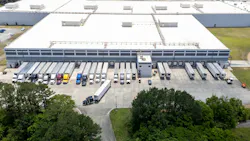
Milo's Tea Company recently opened a 150,000-sq.-ft. refrigerated distribution center in Birmingham, Alabama, to expand its operational footprint and support beverage distribution. The company opened the facility off Lakeshore Parkway near its Bessemer manufacturing operation.
The new distribution center is the fourth major facility investment Milo's has made since 2020 and brings the company's domestic manufacturing investment during that period to almost $400 million. The facility employs about 50 associates and is designed to improve safety and efficiency for associates, logistics partners, and retail customers.
The Birmingham distribution center adds refrigerated storage and distribution capacity to support Milo's cold chain requirements and continued growth. The company said its investments have added more than 500 new associates and expanded operational capabilities across its facilities.
"We don't slow down to let systems catch up. Our 80-year-old startup just builds faster," said Tricia Wallwork, Milo's chair, CEO, and granddaughter of founders Milo and Bea Carlton. "This distribution center isn't just about adding square footage—it's about improving safety and efficiency for our associates and logistics partners and deepening our commitment to our retail partners to deliver excellent on-time, in-full service."
What this means for the trucking industry
Milo's expanded refrigerated distribution capacity highlights the growing importance of cold chain infrastructure for companies handling temperature-sensitive products. For transportation providers and fleets supporting food and beverage customers, additional refrigerated facilities can create new opportunities for dedicated capacity, distribution routes, and cold chain services.