How weigh station bypass builds fleet performance
Key Highlights
A practical framework showing how fleets improve operational predictability by increasing bypass coverage, keeping consistent performance, and building confidence across drivers and operations teams using mobile app and transponder-based bypass.
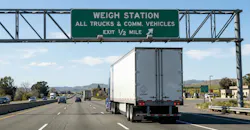
Fleet performance rarely comes down to how fast any one truck moves. It comes down to how few surprises hit the schedule each week. Unplanned weigh station stops are one of those surprises. They reshuffle dispatch boards, push drivers closer to hours-of-service limits, and turn a clean weekly plan into a string of small, disruptive fixes.
Weigh station bypass cuts a lot of those variations. But fleets see the value only when bypass works reliably across the regions they run and the routes they take. That takes coverage, so trucks have more chances to skip a stop. It takes consistency, so results hold up across routes. And it takes confidence, so planning teams can trust the outcome. National data shows what each one is worth.
The numbers behind every bypass.
PrePass® Mile Marker 2026: The National Bypass Impact Index is built on more than 1.6 billion authenticated bypass events across 40 states. It sets per-bypass averages fleets can apply to their own numbers:
- 7 minutes of drive time returned.
- ½ gallon of fuel saved.
- $10.65 in operational costs.
Those numbers are small one event at a time, but across a full fleet, week after week, they add up to real money and real hours.
Coverage: more chances to skip a stop.
Mobile app-based bypass reaches many locations quickly. It covers screening sites that aren’t set up for transponders, gets new trucks on board in days instead of weeks, and helps drivers travel unfamiliar lanes.
More coverage means more chances to turn the per-bypass benchmark into hours and dollars the fleet keeps. Without it, even fleets with strong safety records miss savings because their trucks didn't have bypass coverage at the stations on their routes.
Consistency: Results you can count on.
Coverage is the start. Consistency is what makes it pay off.
Mobile bypass results can shift with cellular signal, device condition, and regional coverage gaps. Transponder-based bypass holds steady at the high-traffic, staffed inspection sites where a missed bypass costs the most time. Running both gets fleets steadier results across a wider range of conditions.
This is really important on routes that don't run the same way every day. A truck on a familiar interstate corridor and one going through a less-traveled state both need the same outcome. A clear green light before the weigh station. Fewer pull-ins. The driver at highway speed without losing time at the scale.
Confidence: Planning that holds up.
When drivers consistently get a green light and keep moving, planning gets easier. Dispatchers build schedules around travel times that hold. Drivers spend more of their shift on productive miles and less waiting at the scale. Customer service has fewer late deliveries to explain.
All of this shows up in fewer reroutes, tighter on-time performance, and a workforce that trusts the plan they got at the start of the shift.
What it adds up to over a year.
The per-bypass averages from Mile Marker 2026 are useful on their own, but the picture gets better when you apply them across a real fleet over a full year.
For example, a 150-truck mid-size fleet averaging 4 bypasses per truck per week recovers about 3,600 hours, 15,600 gallons of fuel, and roughly $332,250 in operational costs each year. Any single figure isn't the point. Consistency is what holds the results together.
Bypass is earned.
Bypass eligibility comes from FMCSA safety data and Inspection Selection System (ISS) scores. Mandatory and random inspections still happen, and higher-risk vehicles continue to be prioritized for inspection. Fleets that invest in compliance earn fewer interruptions in return, while enforcement stays focused on the trucks that need a closer look. The result is more efficient enforcement, safer roads, and fewer unnecessary stops for fleets with strong safety records.
Three pillars, one stronger fleet.
The three pillars build on each other. Coverage creates the opportunity. Consistency makes it stick. Confidence is what fleet managers and drivers feel when both are working. The result is a fleet that runs more predictably, plans with less guesswork, and turns the per-bypass benchmark into year-over-year gains.
Compare your fleet's bypass activity to the Mile Marker 2026 benchmark and see what consistency is worth at your scale.