Leverage fuel cards, technology to reduce fleet diesel fuel expenses
Key takeaways
- Geotab data shows that fuel prices can vary by up to 77 cents per gallon within the same area.
- Fleets often miss opportunities to buy cheaper fuel, potentially losing thousands annually in avoidable expenses.
- Implementing fuel-saving strategies and choosing the right fuel card can lead to substantial cost savings for fleets of all sizes.
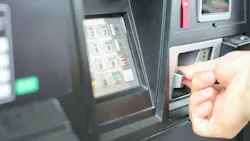
Fuel is a fleet’s second-highest expense behind driver pay, according to the American Transportation Research Institute (ATRI). Since the U.S. involvement in the Middle East conflict with Iran, that expense has gotten higher. Diesel fuel costs from 2025 to 2026 have increased by $2.63, reports the U.S. Energy Information Administration (EIA).
The majority of the trucking industry can’t function without fuel, and fleet owners and managers have no control over geopolitics that affect its price. Fleet owners do, however, have control over the implementation of driver fuel savings strategies, more efficient equipment, and the fuel cards they choose. While these sound like buzzwords, they make an impact.
The cost of choosing more expensive fuel
Transportation technology provider Geotab collected data from 460,000 diesel fuel purchases across 660 U.S. fleets with Class 8 vehicles from January to September 2026. Geotab then compared the data between fleets buying from the same area in the same week. The analysis was eye-opening: “Two different trucks fueling in the same town on the same day could pay as much as 77 cents per gallon more for the same type of diesel,” Geotab reported.
The data also found that drivers typically pumped 75 gallons per fill-up. A 77-cent cost difference at 75 gallons equates to $58. That’s a significant, unnecessary loss that adds up quickly.
Not only is the price of fuel increasing, but the gap between the lowest-priced fuel and higher-priced fuel is widening. In January, the difference between the two was 49 cents per gallon, or about $37 dollars per fill-up, Geotab notes. By September, that number increased to 77 cents, or $58 per fill-up—an overall increase of $21 in less than nine months.
One of the more interesting sets of data Geotab discovered was that drivers part of smaller fleets (fleets with fewer than 100 vehicles) chose the lower-priced fuel only one of six fill-ups, on average. That’s about 30 cents more per gallon, and about $24 in potential savings lost at the pump. Geotab broke this down even further:
“For a long-haul truck fueling approximately 200 times per year, that can amount to roughly $4,700 annually per vehicle. For a 25-truck fleet, capturing even half of that opportunity could generate nearly $59,000 in annual fuel savings.”
While drivers of larger fleets (1,000 trucks or more) chose lower-priced fuel more often, they didn’t choose it as often as they could have. Geotab found that these fleets fuel up with the lowest-priced fuel about one in four times.
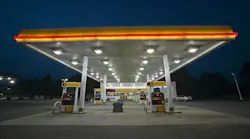
 diesel truck at fueling station with Fleets Explained logo
 Diesel fuel prices fall nationally as Iran tensions keep trucking costs volatile
Use a fuel card to avoid paying the highest price at the pump
The perfect strategy to reduce fuel spend will depend on the fleet. While some fleets can easily save thousands through fuel efficient hardware installations and driver coaching, others might find other routes. Yet one solution that most fleets can benefit from is a fuel card.
Fuel cards are often used by fleet companies. Some can restrict where a driver fuels up and the type of fuel purchased. Others are provided by banks and institutions that partner with fueling stations to offer a discounted price for fleets.
Geotab recently announced its new fuel card in partnership with AtoB. The partnership allows Geotab vehicle data to integrate with AtoB’s established payment platform and fuel discount network—a network that can offer a discount of up to 42 cents per gallon on average. This collaboration syncs “payment authorization with what’s happening in the vehicle,” according to a Geotab release.
Fuel cards also help prevent fuel theft and fraud. Pulling vehicle data to determine location and current tank levels before authorizing a fuel transaction prevents drivers from using the company fuel card to fuel their personal vehicles.
While Geotab isn’t the first to offer these types of perks (there are many fuel cards fleets can choose from), the platform’s driver app, Geotab Drive, helps drivers identify lower-cost fueling stations nearby. And because AtoB’s fueling network includes more than 40,000 fueling stations and more than 4,200 truck stops, drivers will likely have an in-network fueling option nearby.
While fleets can’t avoid paying high prices for fuel this year, they should do what they can to avoid paying the highest price.
About the Author
 Jade Brasher
Jade Brasher
Executive Editor Jade Brasher has covered vocational trucking and fleets since 2018. A graduate of The University of Alabama with a degree in journalism, Jade enjoys telling stories about the people behind the wheel and the intricate processes of the ever-evolving trucking industry.