ACT Expo unveils 2026 agenda to help fleets prioritize technology and clean energy solutions
Key takeaways
- ACT Expo 2026 highlights AI, autonomy, and connectivity to help fleets optimize performance and technology investments.
- Fleets can explore low- and zero-emission vehicles, fuels, and hybrid systems to improve efficiency and sustainability.
- Sessions and exhibitors provide real-world strategies, case studies, and tools to meet operational and regulatory challenges.
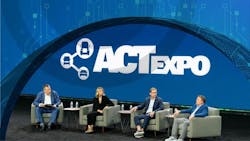
ACT Expo recently released its full agenda for the 2026 event, returning to the Las Vegas Convention Center May 4–7. The company, which produces North America’s largest fleet technology conference and expo, brings together the commercial transportation ecosystem to explore the technologies shaping fleet operations over the next decade.
The agenda focuses on the digital and clean energy frontier, including AI, autonomous vehicles, connectivity, software-defined platforms, low-carbon fuels, and zero-emission vehicles. The program will feature fleet operators, shippers, OEMs, utilities, technology providers, and policymakers for four days of education, case studies, and direct access to solutions.
More than 500 exhibitors will showcase vehicles, charging and fueling solutions, equipment, software platforms, digital solutions, and data tools. Attendees can explore over 200 low- and zero-emission vehicles and connect directly with major OEMs and technology providers in the expo hall and ride-and-drive areas.
“The accelerated development and deployment of the range of digital solutions—on top of the increasingly wide array of powertrain technologies and fuel choices available to today’s commercial customers—is truly astounding,” said Erik Neandross, president of the Clean Transportation Solutions group at TRC, producers of ACT Expo. “It is an incredibly exciting time in our industry, but one that we also know can be dizzying for fleets to keep up with it all. As always, ACT Expo brings peer-to-peer information sharing and real-world insights to help fleets understand which technologies and fuels will work best in their own operation and help their freight customers meet growing expectations around performance, safety, cost, and sustainability.”
This piece was created with the assistance of generative AI tools and was edited by our content team for clarity and accuracy.