ATRI seeks trucking industry input on unauthorized cabotage in the U.S.
Key takeaways
- ATRI survey targets unauthorized cabotage activity to measure impact on U.S. trucking operations and costs.
- B-1 visa drivers are limited to one U.S. pickup or delivery, but reports suggest broader freight activity may occur.
- Survey results will support an economic model quantifying how cabotage affects fleets, jobs, and market fairness.
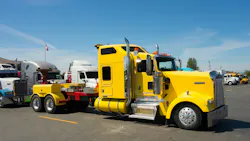
The American Transportation Research Institute (ATRI) is seeking trucking industry input through a survey focused on the scale and impact of unauthorized cabotage activity in the U.S. The company, which is a 501c3 not-for-profit research organization engaged in freight transportation research, said the effort will help assess economic and operational impacts on U.S. trucking.
With federal law prohibiting foreign B-1 visa truck drivers from providing point-to-point service in the U.S., ATRI’s Research Advisory Committee identified cabotage activity as a top research priority. While B-1 visa holders are generally allowed limited pickup or delivery activity, ATRI notes that anecdotal reports suggest some drivers may be conducting broader freight operations beyond permitted boundaries.
The survey is designed for truck drivers and motor carriers to report where and when they observe such activity. Responses will remain confidential and will be used only in summary statistics to support a broader economic impact model.
“Cabotage laws were created to protect U.S. jobs and ensure that a level playing field exists,” noted Kaitlyn Holmecki, American Trucking Associations’ director of international policy. “When illegal low-cost transportation services undercut domestic freight operations, the entire trucking industry pays the price.”