Roeth: Don’t idle away profits: How fleets can cut fuel costs with idle-reduction strategies
Key takeaways
- Excessive idling can burn up to 1,800 gallons of diesel per truck annually, driving up fuel, maintenance, and emissions costs.
- Idle-reduction technologies and driver-focused practices help fleets cut fuel use while preserving driver comfort.
- A holistic idle-reduction plan improves ROI by lowering fuel spend, reducing engine wear, and supporting emissions goals.
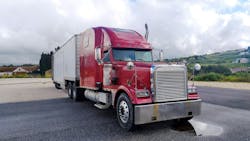
Fuel accounts for a significant percentage of a fleet’s operating budget. And that is true regardless of the price per gallon of diesel. Most fleets don’t have a lot of control over the price of fuel, though smart purchasing of fuel can have some impact on the bottom line.
There is one way fleet managers can reduce fuel consumption: Focus on reducing the time their trucks spend idling. In our recently published report, The Idle-Reduction Playbook: Operational Strategies for Modern Trucking Fleets, we state that “a typical Class 8 truck idles approximately six to eight hours per day on average at around 0.8 gallons of diesel per hour, resulting in 1,000 to 1,800 gallons of diesel burned annually per vehicle, depending on climate, duty cycle, and usage patterns.” That’s a significant amount of wasted fuel.
In addition, prolonged idling also accelerates engine wear, requires more frequent oil changes, and raises maintenance costs. And each gallon of diesel emits approximately 22.4 lb. of CO₂. Eliminating excessive idling can avoid up to 15 metric tons of CO₂ emissions per truck yearly.
The good news is that fleets have a plethora of idle-reduction technologies to choose from, including diesel and electric APUs, fuel-operated heaters, intelligent engine management systems, thermal management systems, and more.
There are also some basic actions fleets can take, such as adjusting engine parameters and incentivizing drivers to reduce idle time in their vehicles. Some of the simple steps drivers can take to reduce the need to idle include preheating or precooling the truck prior to shutting down the main engine, parking in the shade, using window covers, etc.
When making decisions about reducing idling, fleets have to make sure they keep driver comfort top of mind. It can be a bit of a balancing act to make sure sleeper temperatures are acceptable to drivers and that they can use convenience items like laptops, tablets, microwaves, refrigerators, etc.
Often, the best way to reduce idling is to deploy a variety of solutions, keeping in mind the ROI but also acknowledging the fact that not all advantages of idle-reduction technologies are categorized as hard costs. Some are classified as soft costs and can still motivate investment in idle-reduction technologies.
Fleets should take a holistic approach to deploying idle-reduction strategies. We recommend the following baseline best practices in the report:
- Establishing an idle-reduction policy
- Using engine parameters aggressively
- Training and incentivizing drivers
- Providing alternatives for driver comfort during downtime
- Monitoring and reporting idle percentages
Advanced best practices include:
- Investing in appropriate idle-reduction equipment
- Combining complementary idle-reduction technologies
- Maintaining all idle-reduction devices
- Monitoring idle-reduction efforts and adjusting as needed
Idle reduction in trucking has advanced significantly and is now a proven strategy for fleets to reduce fuel consumption, costs, and emissions. Fleet managers should develop an idle-reduction plan that meets their needs by understanding operational habits and available technologies they can rely on to meet their idle-reduction goals.
 NACFE’s 12 driver tips for improving truck fuel economy
 Roeth: Fleet efficiency and EV adoption priorities for 2026
About the Author
 Michael Roeth
Michael Roeth
Executive Director
Michael Roeth is the executive director of the North American Council for Freight Efficiency. He serves on the second National Academy of Sciences Committee on Technologies and Approaches for Reducing the Fuel Consumption of Medium and Heavy-Duty Vehicles and has held various positions with Navistar and Behr/Cummins.