Fontana: A look at modern dedicated transportation
Key takeaways
- Dedicated transportation now functions as engineered operations, not rigid asset-heavy private fleets.
- Modern models reduce exposure to fuel volatility and improve cost stability through structured contract design.
- Freight, labor, and routing analytics drive dedicated fleet performance, flexibility, and service consistency.
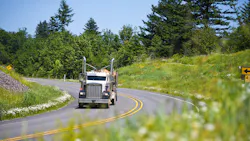
Modern dedicated transportation might not be what you think it is, especially if you are looking at it through an old lens.
Many companies that operate private fleets believe that dedicated fleets are rigid, expensive, asset heavy, and only suited for companies with existing infrastructure and very predictable freight patterns. Some common myths about dedicated transportation include:
- Dedicated locks companies to a fixed capacity.
- Dedicated requires existing terminal infrastructure.
- Dedicated transfers asset risk to the shipper.
- Dedicated is inherently more expensive.
- Dedicated reduces flexibility.
While that might have been true in the past, that is not the way the dedicated model works today. Dedicated transportation models are now engineered operating structures designed to deliver cost stability, transfer operational risk, and create service consistency for the customer.
When evaluating whether dedicated transportation makes sense for your company, rather than focusing on cost, review things such as the volatility of fuel prices, the instability in the labor market, and the operational risks associated with your current transportation model.
Switching to a dedicated model can reduce a company’s exposure to fuel volatility through fuel management programs, contract structures, and optimized routing. While there is no way to avoid fuel volatility, the dedicated model makes fuel costs more manageable.
The dedicated model also reduces driver turnover and increases route familiarity to deliver more consistent service levels, improved operational predictability, and lower long-term disruption risk.
Today, the dedicated model is built to the customer’s specifications and designed around their needs. The design process of the dedicated model includes the following:
- Freight pattern modeling
- Route density analysis
- Driver labor strategy alignment
- Surge and contingency planning
- Asset utilization modeling
Basically, today’s dedicated transportation model mirrors the advantage of having a private fleet without the need for a company to own or manage the fleet directly. Think of it as having the benefits of a private fleet without the challenges.
About the Author
 Gino Fontana
Gino Fontana
Chief operating officer and executive vice president at Transervice Logistics Inc.
Gino Fontana, CTP, is COO and EVP at Transervice Logistics Inc. His operational expertise emphasizes cost savings, process efficiency and improvement, superior quality, and people management skills. He has more than 35 years of experience in the transportation and logistics industry with both operational and sales experience.