Clark: Nine summer maintenance blind spots that threaten uptime
Key takeaways
- Summer weather creates major fleet risks, including heat, floods, wildfires, and hurricane disruptions.
- Preventive maintenance on tires, cooling systems, batteries, and air systems reduces roadside breakdowns.
- Real-time routing and driver communication are critical for managing weather-related delays and closures.

Summer brings its own set of challenges to fleet management. From horrific flash floods to scorching heat and unrelenting wildfires, these are the perils of summer. For many coastal areas, hurricane season is also approaching. Despite the sudden freezes that occurred in some parts of the country, every unit must still prepare for the heat.
The season demands vigilant upkeep of your trucks. Every year, we post about winterizing your fleet, but summer is every bit as tough on your vehicles. This is the season when families go on vacation, causing congestion and leaving trucks sitting for extended periods, putting extra strain on the AC and coolant. This all makes it critical to keep every vehicle road-ready.
Mike Blimling, NationaLease’s VP of truck technology & maintenance, emphasizes that the following nine steps should be standard protocol for every truck in your fleet.
- In summer, the heat and humidity increase, and it’s important to check your fuel-water separator regularly.
- Test your coolant system for temperature protection and inhibitors.
- As humidity increases, air systems are critical for reliable operations. Drain air tanks daily, repair any air leaks, and perform air-dryer maintenance. Excessive water/moisture in air tanks indicates a problem.
- While overall battery loads increase in the winter, heat degrades battery longevity. Perform battery health checks.
- Check tire pressures frequently. Tires low on air pressure will increase in temperature, wear faster, and can overheat and fail. Hot summer months are less forgiving, and given current diesel prices, keeping tires at the right pressure is essential.
- Inspect the components of the air conditioning system, including belts, pulleys, and the condenser, removing any debris that may have built up; this is also a good time to replace the cabin air filter. Make sure the system is blowing cold in the cab and sleeper.
- Perform vehicle preventive maintenance.
- Be prepared for severe weather, including hurricanes, tornadoes, floods, and mudslides. Drivers should have food, water, medications, and any essential items in case of an emergency. Keep cell phones charged.
- Select a breakdown service provider that meets the routing requirements, urgency, and quality of service.
Severe weather impacts fleet routing, logistics, and delivery schedules
Keeping every vehicle road-ready and in tip-top shape is essential because extreme weather affects not only the trucks but also the roads and bridges they travel on. That makes logistics planning even more complex during the summer due to frequent road closures, detours, and infrastructure damage caused by storms, floods, and excessive heat.
Wildfires can force highways to shut down with little warning, while flash floods may wash out roads entirely. Even routine construction work, more common in winter months, can add delays and reroute drivers unexpectedly.
Fleet managers must stay informed and flexible, using real-time traffic and weather data to make adjustments on the fly. Communication between dispatchers and drivers is key to navigating these disruptions and ensuring deliveries arrive safely and on time.
Prepare now to protect your fleet and drivers
You can’t control what happens to the roads traveled, but you can control how you maintain your fleet to confront these disruptions. While navigating through challenging times marked by natural disasters and extreme weather events, proactive fleet management is paramount.
By following these steps, you not only protect your assets and ensure operational continuity but also prioritize the safety and well-being of your drivers. Stay ahead this summer by implementing these measures and reinforcing your fleet’s resilience amid unpredictable conditions.

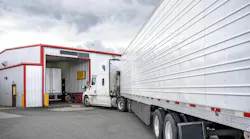 How predictive maintenance is driving the third wave of fleet technology
About the Author
Jane Clark
Senior VP of Operations
Jane Clark is the senior vice president of operations for NationaLease. Prior to joining NationaLease, Jane served as the area vice president for Randstad, one of the nation’s largest recruitment agencies, and before that, she served in management posts with QPS Companies, Pro Staff, and Manpower, Inc.