Gaskins: Rising fleet asset costs are reshaping fleet strategy, not just fleet budgets
Key takaways
- Rising asset and operating costs are making fleet cost visibility more important to business leaders.
- Private fleets are weighing data, automation, and asset utilization to improve financial performance.
- Smarter fleet decisions can help control transportation costs without limiting broader business priorities.
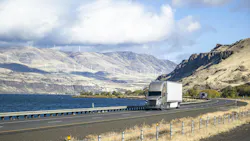
For years, private fleet operators have weathered cycles of rising fuel costs, changing regulations, labor challenges, and supply chain disruptions. Today’s challenges include all the above, exacerbated by the increasingly high cost of new trucks, trailers, and other fleet assets. As a result, fleet leaders are being asked to do more than manage transportation costs. They’re being challenged to help protect the financial health of the entire business.
For companies that operate private fleets, transportation is often essential to delivering products to customers and keeping commitments to the market. Every dollar spent moving goods is a dollar that can’t be invested elsewhere in the organization. As asset costs continue to climb, executives are taking a closer look at how transportation spending affects broader business priorities.
Unlike for-hire carriers, private fleets can’t simply offset higher transportation costs by raising freight rates. The fleet is typically a cost center that supports the company’s primary business. As fleet expenses increase, organizations must absorb those costs without sacrificing profitability or competitive advantage.
For companies, that becomes increasingly difficult. Businesses are already dealing with inflationary pressures, higher labor costs, and ongoing economic uncertainty. When fleet assets, maintenance, insurance, and financing costs rise, they erode margins at a time when many organizations are already fighting to protect profitability. Every unexpected increase in transportation expense can affect investments elsewhere in the organization, directly impacting the bottom line.
This dynamic has elevated transportation from an operational function to a business-critical focus area. Fleet leaders are increasingly expected to show how they control costs, maximize asset utilization, and help the organization achieve broader financial objectives. As transportation expenses consume a larger share of operating budgets, executives are asking an important question: How can the fleet operate more efficiently so the business can continue investing in growth?
Rising asset costs affect more than equipment budgets
It’s easy to view higher truck prices as a capital expenditure issue, but the impact extends well beyond the initial purchase. When equipment becomes more expensive, replacement cycles may stretch longer. Older assets typically require more maintenance, consume additional shop resources, and increase the potential for unplanned downtime. Financing costs affect cash flow, limiting capital that can be directed to more strategic enterprise initiatives.
Higher operating costs create a ripple effect that impacts service levels, delivery performance, and operational agility. When organizations postpone fleet investments, they may also delay technology adoption, process improvement, or capacity expansion, if needed.
 How fleets use technology to reduce fuel, maintenance, and insurance costs
 Using analytics to increase loaded miles and improve asset utilization
The new competitive advantage: Cost intelligence rather than cost management
In an environment where many external costs are beyond management’s control, successful organizations are shifting their attention to something they can influence: the quality of their decision-making. Leading fleets are relying less on instinct and more on data to understand spending patterns, supplier performance, purchasing behavior, maintenance trends, and asset utilization.
Instead of asking how to spend less, executives are increasingly focused on how to spend smarter. That distinction matters when fleets make thousands of purchasing and operational decisions annually. Small improvements in procurement discipline, supplier management, inventory planning, and maintenance practices can collectively produce meaningful financial improvements.
For private fleets, those savings have value far beyond transportation. Every dollar preserved through smarter fleet operations creates opportunities to invest elsewhere in the business.
Efficiency is becoming a strategic priority
The same mindset applies to back-office processes. Too many organizations continue to rely on manual or paper-based workflows across procurement, accounts payable, and accounts receivable. As margins tighten, organizations are evaluating workflows to eliminate unnecessary effort, reduce errors, and improve visibility into financial performance.
This has motivated more fleets to turn to automation and digitization technologies, not only to reduce overhead costs, but to enable staff to spend less time managing transactions and more time delivering strategic value.
Thriving in a high-cost environment
No one can predict exactly where equipment prices, financing costs, or insurance premiums will go over the next several years. What is becoming clear, however, is that private fleets should not expect a return to the cost structure of a decade or more ago.
The organizations best positioned for long-term success will be those that recognize transportation as a strategic lever for business performance, not simply an operational necessity. They will evaluate fleet investments through the lens of enterprise-wide value, measure costs more comprehensively, and continuously seek opportunities to improve efficiency.
The question isn’t whether asset costs will remain elevated. It’s how companies will respond. Organizations that view transportation costs as business-wide challenges can unlock savings that support innovation, growth, and competitive advantage. Those that view today’s environment as an opportunity to embrace a more disciplined, data-driven approach to fleet management will be better prepared for whatever comes next.
About the Author
 Patrick Gaskins
Patrick Gaskins
Senior vice president, Fleet Solutions
Pat Gaskins is the GM of Corcentric Fleet Solutions, where he leads both the sales and operations teams for the company’s fleet offerings. He has over 30 years of experience as a financial services professional in the transportation industry and manages partnerships with over 160 manufacturers, helping over 2,000 of the country’s largest fleets manage all aspects of their fleet operations and fleet-related spend.