A fleet manager's checklist for moving vehicles between locations
Key takeaways
- A shared vehicle inventory with VINs, condition records, and transfer priorities helps prevent errors during fleet relocations.
- Coordinating carrier schedules with receiving capacity can reduce delays and disruptions to fleet operations.
- Assigning clear ownership for handoffs and exceptions helps ensure transferred vehicles are accounted for and ready for service.
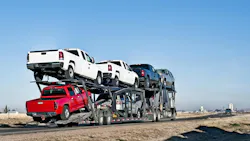
A commercial fleet transfer needs a plan that both locations can execute, vehicle by vehicle. Initially, I am concerned about whether the sending team will be able to release the correct units and whether the receiving team will be able to accept them without disrupting its own work.
With multiple vehicles and several operations teams involved, everyone needs the same inventory and a clear handoff process. I would put one coordinator in charge of the move, with named people responsible for release at origin and acceptance at destination. Before dispatch, I would work through the following checks:
1. Build one inventory for the entire move
Create a shared list with each VIN, fleet number, year, make, model, origin, and destination. Add the required in-service date and transfer priority. Track readiness and movement status against each unit rather than relying on a total vehicle count.
Confirm the list with both operations teams. Any substitution or destination change should be approved and reflected in the inventory before release.
2. Record condition and actual dimensions
Document whether each vehicle starts, rolls, steers, and brakes. Note leaks, damage, or other handling concerns, and take dated photographs with the mileage recorded.
Provide actual dimensions and weight, including service bodies, racks, liftgates and other upfits. Those specifications help the carrier select suitable equipment and plan securement under FMCSA’s cargo securement rules. For driveaway moves, confirm roadworthiness separately. For electric vehicles, agree on charge requirements and provide the manufacturer’s handling instructions.
3. Clear the release documents and keys
Confirm any owner, lessor, or facility release requirements that apply. Identify the person authorized to release each vehicle, and make sure the necessary documents are available before the driver arrives.
Label keys and access devices by fleet number. Record who hands them over and who receives them. Inventory the equipment remaining with each unit and agree on its handling and coverage. Report missing authorization or keys before dispatch. Verify the assigned carrier’s identity using the FMCSA Company Snapshot where applicable, and complete required authority and insurance checks before release.
 How private fleets can reduce costs and generate revenue with third-party freight
 How trucking companies can detect remote worker fraud and protect company data
4. Sequence pickups around operating needs
Set the pickup order using vehicle readiness, the sending branch’s remaining assignments, and the destination’s priorities. Ask the carrier whether its route, equipment, and loading order support the requested delivery sequence.
For a larger move, establish pickup groups and identify which units can be released together. A last-minute substitution can change loading requirements or leave the receiving team without a critical vehicle. Route changes and substitutions through the coordinator so every team gets the same instructions.
5. Check receiving capacity before scheduling arrivals
Confirm how many vehicles the destination can unload, inspect, and park during each receiving window. Check staffing, access, turning space, overhead clearance, and staging areas. Receiving capacity should influence how many units leave at once.
Name a primary and backup receiving contact, and agree on what happens if a load arrives late or several loads arrive together. Confirm the available receiving window before the next pickup group is dispatched.
6. Make exceptions visible and assign an owner
Agree on updates at release, pickup, any material delay, and delivery. At each handoff, reconcile VINs, keys, documents, and accompanying equipment against the shared inventory.
Log exceptions by unit: what happened, when it was identified, the operational impact, who owns the response, and when the next update is due. Photograph damage and document discrepancies on delivery paperwork; follow the applicable claims process. Identify who can approve extra costs.
Keep physical delivery and readiness for service as separate statuses. A delivered vehicle awaiting a key, inspection, or repair still needs someone responsible for getting it into service.
The handoff checklist
Use one shared record for each unit, and confirm these items at every transfer of responsibility:
- VIN and fleet number match the approved inventory.
- Condition, dimensions, and handling requirements are documented.
- Release approval, keys, and required documents are accounted for.
- Pickup sequence and receiving slot are confirmed.
- Exceptions have a named owner, next action, and update time.
- Receipt and service readiness are recorded separately.
For me, the move is complete when every unit is accounted for, and the receiving manager knows what is ready for work and what still needs attention.
About the Author
 Jay Mays
Jay Mays is a managing partner of Elevation Transport Services. He works with customers on nationwide vehicle relocation, commercial bus and fleet transportation, and heavy equipment moves. His focus includes shipment planning, carrier coordination, and communication between pickup and delivery locations.