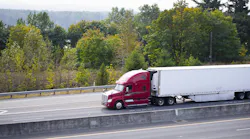
Circle Logistics strengthens cold chain and carrier vetting protections
Key takeaways
- Circle Logistics verifies driver CDLs, tractor VINs, and cab cards before releasing gate codes.
- Its owner-operator network includes 60-80 drivers with at least 10 years of clean service.
- Circle conducts 90-point inspections on those owner-operators every 90 days.
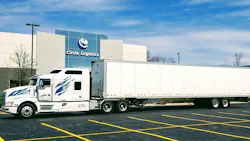
Circle Logistics recently hightlighted its middle-mile protections for food and beverage shipments through carrier vetting, compliance protocols, and real-time cold chain tracking.
The company, which provides freight brokerage and third-party logistics services, uses its transportation management system (TMS) with multiple verification and tracking tools to manage real-time carrier verification processes.
Before releasing gate codes, Circle’s in-house fraud-vetting team verifies the commercial driver's license of each driver, tractor VIN, and cab card registration. Its proprietary E3 Shield protocol also confirms driver identity at loading docks to help prevent unauthorized double-brokering.
In addition, the company maintains a network of approximately 60 to 80 dedicated owner-operators, each with a minimum 10-year clean service record. Those drivers undergo a 90-point inspection every 90 days. Circle also has broader access to approximately 41,000 carriers.
“The middle mile is probably the most vulnerable part of the chain, because that’s where you get the longest stretch of road to cover,” Joe Vaccaro, director of sales at Circle Logistics, said. “It requires a lot of experience to know where to look to prevent issues and maintain the cold chain from spoilage or reefer failure, especially since large retail and grocery distribution networks enforce strict must-arrive-by-date windows as tight as 15 to 30 minutes. Missing one can mean a rejected receiving gate, along with six-figure detention fees and chargebacks worth 3% to 5% of a load's invoice value.”
What this means for the trucking industry
For refrigerated fleets and transportation providers, Circle Logistics is highlighting how closely carrier compliance, equipment availability, temperature control, and delivery timing are connected. A missed delivery window or cold chain issue can create costs well beyond the original transportation expense.
Circle’s approach also shows why carrier vetting can be an operational concern. Verifying driver and vehicle credentials before loading, combined with ongoing inspections and real-time tracking, can give brokers and shippers more control over risks that can disrupt high-value food and beverage freight.