Gaskins: How technology helps truck fleets improve operations and cut costs
Key takeaways
- Technology integration helps fleets boost efficiency, reduce costs, and maintain service without adding staff.
- Predictive maintenance and telematics minimize downtime and extend vehicle life, improving overall fleet performance.
- Back-office automation and integrated systems provide real-time insights for smarter operations and compliance.
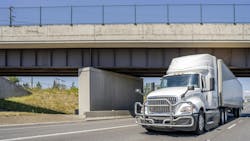
Truck fleets today are operating in one of the most demanding environments the industry has seen in years. Rising insurance premiums, persistent fuel volatility, rising equipment costs, compliance requirements, supply chain disruptions, and ongoing labor shortages have left little room for error. At the same time, shippers continue to expect reliable service and competitive pricing. For many fleets, the traditional response, adding people or absorbing higher costs, is no longer viable. Instead, fleets are increasingly turning to technology to help them do more with less.
This shift isn’t about cutting corners or pushing employees to work harder. It’s about working smarter by eliminating inefficiencies that have long been accepted as part of doing business. Technology has become a force multiplier, allowing fleets to increase productivity, reduce risk, and maintain service levels without expanding head count.
Doing more with less: Tech-driven efficiency for truck fleets
For years, many fleet operations relied on manual processes, paper-based workflows, and disconnected systems. These approaches may have worked when margins were healthier and staffing was more abundant. Today, they often create bottlenecks that slow decision-making and drain resources. Doing more with less means identifying where time, labor, and capital are being wasted and applying technology to remove friction from everyday operations.
The most effective fleets are moving away from reactive management toward proactive, data-driven decision-making. Instead of responding to problems after they occur, they are using technology to anticipate issues and address them early, often before they impact operations or profitability.
Back-office automation boosts fleet efficiency and accuracy
One of the most significant areas where fleets are seeing results is in back-office automation. Functions such as accounts payable, billing, and approvals have traditionally been labor-intensive and prone to error. Manual data entry, paper invoices, and fragmented approval processes consume valuable staff time and slow cash flow.
Automation streamlines these workflows by digitizing documents, validating data automatically, and routing transactions for approval without manual intervention. As a result, smaller teams can handle higher transaction volumes with greater accuracy. Errors, rework, and payment delays are reduced, freeing staff to focus on higher-value activities such as analysis, exception management, and customer service.
While back-office efficiency may not be as visible as operational technology, it often delivers some of the fastest and most measurable returns.
 Geotab CEO Neil Cawse
 plusai_illo_1
Real-time fleet data enables smarter operations and decisions
Another critical advantage technology provides is improved visibility across fleet operations. Many fleets still rely on spreadsheets or delayed reports to understand performance, costs, and utilization. By the time issues surface, they may already be affecting margins.
Modern fleet technology consolidates operational, financial, and asset data into centralized dashboards that update in near real time. This allows managers to spot trends, identify underperforming lanes or assets, and address unexpected costs before they become a larger problem. With better data, fleets can make faster, more confident decisions without adding layers of management.
Predictive maintenance minimizes downtime and repair costs
Telematics and predictive maintenance tools are also helping fleets stretch resources further. Rather than relying solely on fixed maintenance schedules or reacting to breakdowns, fleets can use vehicle data to monitor engine performance, component wear, and fault codes.
This approach reduces unplanned downtime, roadside events, and emergency repairs, all of which are costly and disruptive. Predictive maintenance helps fleets keep equipment on the road longer, improve asset utilization, and extend the life of vehicles. Over time, these improvements translate into lower total cost of ownership and more consistent service.
Tech-driven compliance reduces risk and eases fleet management
Compliance and risk management have become increasingly complex, and the administrative burden can be significant. Technology helps fleets automate compliance tracking, reporting, and documentation, reducing the manual effort required to stay audit-ready.
By standardizing processes and improving data accuracy, fleets can reduce their exposure to fines, violations, and litigation. As a definite plus, this can be achieved without adding compliance staff, allowing existing teams to manage growing requirements more effectively.
Fleet system integration unlocks efficiency and operational insight
As fleets adopt more technology, integration becomes essential. Disconnected systems create data silos and reintroduce manual work through reconciliation and duplicate entry. Integrated platforms provide a single source of truth across operations, finance, and compliance, amplifying the benefits of each individual tool.
Long-term technology strategy strengthens fleet performance and growth
Cost pressures are unlikely to ease any time soon. Fleets that view technology as a long-term strategy rather than a short-term fix will be better equipped to adapt. Doing more with less has become the new standard, and technology is central to making that standard achievable.
About the Author
 Patrick Gaskins
Patrick Gaskins
Senior vice president, Fleet Solutions
Pat Gaskins is the GM of Corcentric Fleet Solutions, where he leads both the sales and operations teams for the company’s fleet offerings. He has over 30 years of experience as a financial services professional in the transportation industry and manages partnerships with over 160 manufacturers, helping over 2,000 of the country’s largest fleets manage all aspects of their fleet operations and fleet-related spend.