Bussone: How purchase leaseback helps fleets turn owned trucks into working capital
Key takeaways
- Purchase leaseback converts owned trucks into cash while keeping them in service, boosting fleet liquidity.
- Lease terms match truck age and usage, creating predictable costs and easing balance sheet pressure.
- Fleets gain guidance on replacement timing and reduce remarketing burden by partnering with leasing companies.
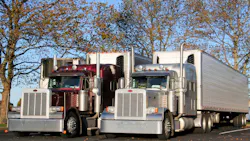
For many fleet operators, buying trucks with cash, carrying them on the books, and then depreciating them over time is a familiar and well-understood model. But in today’s market, where costs are rising, margins are tighter, and flexibility matters more than ever, those owned assets may be doing less for the business than they could.
That’s where purchase leaseback comes into play. While not a new concept, it’s gaining renewed attention as fleets look for ways to unlock liquidity without disrupting operations. At its core, purchase leaseback is a simple idea: Convert the value of owned trucks into immediate cash while continuing to run those same trucks in the fleet.
Fleets that own trucks can unlock cash and boost flexibility
Purchase leaseback is designed specifically for fleets that already own their equipment. These are companies that have been purchasing trucks outright for years and, as a result, operate fleets with a wide mix of model years. A typical fleet might include newer 2025 and 2026 units alongside trucks from 2020, 2017, or even earlier.
Because the fleet owns these assets, each truck is depreciated monthly on the company’s books. Over time, that depreciation reduces the equipment's book value, even though many of those trucks still have years of productive life left. What often goes unnoticed is how much capital is tied up in that depreciated equipment. That’s value that can’t be easily accessed under a traditional ownership model.
Converting owned trucks into immediate fleet capital
The process begins with a review of the fleet’s owned assets and their current book values. Rather than focusing on the truck's original purchase price, the transaction is based on its market value. That can translate to tens of thousands of dollars per asset. For fleets with dozens or even hundreds of owned trucks, this can result in a substantial, immediate influx of capital.
That cash can then be redeployed across the business, whether to improve cash flow, strengthen the balance sheet, fund growth initiatives, or simply provide breathing room during uncertain market and global conditions.
 Fleet Advantage unveils complimentary audit to help fleets reduce 2027 procurement costs
 fleet leader state of fleet management report
Keep trucks running with predictable lease payments
Once the trucks are purchased, they don’t leave the fleet. Instead, the leasing company leases the equipment back to the original operator, allowing the fleet to continue operating as usual.
Lease terms are structured around the real-world condition of each truck. Newer units with lower mileage may be placed on longer lease terms, while older trucks may be leased for shorter periods that reflect their remaining viable life. The objective is to align lease length and utilization with how the equipment is actually used, avoiding the inefficiencies that come from running trucks too long or cycling them out too early.
For the fleet, this means replacing depreciation schedules with predictable, fair market lease payments, creating greater clarity and consistency in monthly costs.
Boost liquidity and streamline truck life cycle management
The most immediate benefit of purchase leaseback is access to fast capital, but the advantages extend well beyond the initial transaction. By converting owned assets into leased equipment, fleets reduce balance sheet pressure and improve liquidity without sacrificing operational control.
Just as important, purchase leaseback introduces a more disciplined approach to equipment life cycle management. Instead of guessing when to replace trucks or relying on internal depreciation assumptions, fleets gain guidance on optimal replacement timing. The responsibility for remarketing also shifts to the leasing partner, reducing administrative burden and risk.
Fleet scenarios where leaseback drives financial impact
Purchase leaseback isn’t a universal solution, but it can be a powerful tool for fleets with a significant number of owned trucks, especially when cash flow flexibility is a priority. In volatile markets, the ability to turn assets into working capital can provide a meaningful competitive advantage.
For fleets willing to rethink how ownership fits into their financial strategy, purchase leaseback offers a way to keep trucks on the road while putting their value to better use.
About the Author
 Frank Bussone
Frank Bussone
Frank Bussone, CTP, is VP of technology & data analytics, at Corcentric Fleet Solutions. With 25 years’ experience in business analytics and business intelligence, he works with the data associated with fleet operations to find efficient and lower cost solutions for truck fleets across the country.