Clark: Dedicated safety leadership is a necessity, not a luxury
Key takeaways
- Rising insurance costs are increasing pressure on fleets to strengthen safety ownership and oversight.
- HR-led safety models struggle to keep up with evolving regulations, telematics, and complex risk environments.
- Dedicated safety managers improve compliance, training, and risk mitigation in modern fleet operations.
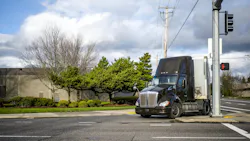
In a recent post, I explored how rising insurance costs are putting pressure on fleet operations. That reality makes safety an even more urgent priority across the industry. Whether it’s protecting drivers on the road, keeping technicians safe in the shop, or ensuring the well-being of everyone sharing the highway, safety requires constant focus. It spans everything from disciplined driving practices and thorough equipment maintenance to strict compliance with regulations. Still, even with strong systems in place, incidents happen—and when they do, it raises an important question: Who actually owns safety within the organization?
At a NationaLease meeting last year, Glenn Hebert, president of Cox & Smith Risk Management, pointed out that the answer often depends on a company’s size and structure. Larger organizations may have the resources to appoint a dedicated safety manager, while smaller businesses frequently assign safety responsibilities to human resources (HR) because of limited staffing and budget. However, as regulations evolve and technology continues to reshape trucks and fleet operations, relying solely on HR is becoming increasingly difficult to sustain effectively.
When HR leads fleet safety oversight in trucking operations
In smaller companies, safety is often folded into HR’s broader responsibility for employee well-being. This can create a more unified approach, where safety becomes part of the overall employee experience. With HR driving these efforts, communication may be more streamlined, and the emphasis on care and well-being can positively influence morale and culture. It’s also a practical solution for organizations that don’t have the capacity to support a separate safety role.
That said, this approach has clear limitations. Modern trucking is no longer just about basic compliance and driver behavior. It now involves advanced safety systems, telematics, evolving federal and state regulations, and increasingly complex risk environments. HR professionals are rarely equipped with the technical expertise or bandwidth to stay ahead of these changes. As a result, organizations risk falling behind on compliance, missing emerging risks, or underutilizing safety technologies that could prevent incidents altogether.
Why fleets need dedicated safety managers for compliance and risk
In today’s environment, having a dedicated safety manager is no longer a luxury; it’s becoming a necessity. This role brings specialized, up-to-date knowledge that is critical for navigating constantly changing regulations and rapidly advancing vehicle technology. From electronic logging devices and collision mitigation systems to data-driven safety analytics, fleets need someone focused on understanding and implementing these tools effectively.
A safety manager not only ensures compliance but also drives a proactive safety strategy. They can identify patterns in incidents, implement targeted training programs, and continuously refine safety protocols as new risks emerge. Just as importantly, they serve as a central point of accountability, ensuring that safety doesn’t get diluted across competing priorities.
While adding this role does increase costs, those expenses should be weighed against the potential consequences of inadequate safety oversight—accidents, regulatory penalties, higher insurance premiums, and reputational damage. In most cases, the investment pays for itself through reduced incidents and stronger operational performance.
How fleets should structure safety leadership as risks and regs grow
There’s no one-size-fits-all structure, but the direction of the industry is clear. As trucking becomes more complex, the need for dedicated safety expertise continues to grow. Some organizations may still rely on hybrid models in the short term, with HR supporting administrative functions, but the most effective approach increasingly centers around a dedicated safety manager leading the effort.
Ultimately, safety ownership goes beyond assigning responsibility. It requires expertise, focus, and the ability to adapt to constant change. While everyone in the organization plays a role, having a dedicated professional guiding safety initiatives is the most reliable way to protect your people, your assets, and your business in an evolving industry.
 FO primary with title
About the Author
Jane Clark
Senior VP of Operations
Jane Clark is the senior vice president of operations for NationaLease. Prior to joining NationaLease, Jane served as the area vice president for Randstad, one of the nation’s largest recruitment agencies, and before that, she served in management posts with QPS Companies, Pro Staff, and Manpower, Inc.