Clark: Minimizing detention to maximize fleet performance
Key takeaways
- Detention remains a major cost driver in trucking, with 39.3% of drivers affected and limited claim reimbursement.
- Fleets use telematics and data tools to identify detention patterns and improve routing and shipper performance.
- Stronger shipper-carrier coordination and detention pay policies help improve efficiency and driver retention.
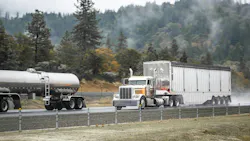
In trucking, “time is money” is more than just a phrase. When trucks are parked at a loading dock instead of moving freight, revenue stalls. Detention and delays quietly chip away at productivity, creating a domino effect that disrupts schedules, frustrates drivers, and eats into margins. For today’s carriers, tackling detention isn’t optional; it’s essential to staying competitive.
Insights from the American Transportation Research Institute (ATRI) highlight how widespread the issue remains: 39.3% of drivers reported experiencing detention. Even though 94% of fleets bill for those delays, less than half of the claims are actually paid. The gap between policy and payment translates into real financial losses.
Hidden operational costs of freight detention and delivery delays
What might seem like a minor delay can quickly escalate into a larger operational challenge. Detention impacts fleets in multiple ways:
- Missed revenue opportunities when equipment sits idle
- Reduced flexibility within drivers’ hours-of-service (HOS) limits
- Elevated fatigue risks due to compressed schedules
- Declining driver satisfaction, leading to retention challenges
Each delay sets off a chain reaction, affecting delivery timelines, customer expectations, and overall fleet efficiency.
How fleet telematics data helps reduce detention and idle time
Forward-thinking carriers are turning to data to manage detention proactively. Telematics and fleet management platforms provide visibility into where delays occur and how often they occur. With these insights, fleets can:
- Renegotiate terms with consistently slow shippers
- Avoid facilities known for bottlenecks
- Develop preferred shipper programs that reward efficiency
By treating detention as a measurable and manageable issue, fleets can shift from reactive problem-solving to proactive planning.
Driver detention impacts, communication tools, and retention strategies
Drivers experience detention firsthand, making communication and compensation especially important. Real-time updates through mobile apps and in-cab technology allow drivers to report delays instantly and keep dispatch teams informed.
With this level of visibility, operations teams have the flexibility to adjust routes, reassign loads, or update delivery expectations when disruptions occur. Additionally, some fleets are introducing detention pay to help offset lost earnings and reinforce that drivers’ time matters, an important factor in maintaining morale and retention.
Fleet technology solutions for reducing dock delays and detention
Digital tools are playing an increasingly important role in reducing detention and streamlining operations. Among the most effective solutions:
- Digital freight platforms that better match loads with available trucks
- Automated appointment scheduling to improve coordination with shipping facilities
- Unified dashboards that highlight inefficiencies and flag potential delays early
These technologies provide real-time insights, enabling fleets to catch bottlenecks before they spiral into costly disruptions.
Improving shipper-carrier collaboration to reduce freight detention
Detention doesn’t happen in isolation; it’s often the result of misalignment between carriers and shippers. Companies that prioritize collaboration tend to see better outcomes. Practical steps include:
- Maintaining regular communication and performance reviews
- Defining clear expectations for load and unload times
- Offering guidance or training to improve dock operations
Shifting from a transactional mindset to a partnership approach helps both parties reduce friction and operate more efficiently.
Industry efforts to standardize detention policies and payments
While individual fleets can make meaningful changes, larger progress will likely require industry-wide action. Ongoing discussions include:
- Standardizing detention policies across contracts
- Expanding accountability through required detention pay
- Updating regulations to reflect the operational impact of delays better
These efforts point to a growing recognition that detention is more than an inconvenience; it’s a systemic issue affecting the entire supply chain.
From waiting to winning
Reducing detention comes down to a simple idea: don’t just accept delays. Instead, actively address them. By combining data-driven insights, modern technology, and stronger partnerships, fleets can reclaim lost time, improve driver satisfaction, and protect profitability. Those carriers that adapt to this idea fastest will be the ones that keep driving forward.
 Test trucking knowledge on traffic congestion impacts to costs, fuel, and efficiency
 Supreme Court
About the Author
Jane Clark
Senior VP of Operations
Jane Clark is the senior vice president of operations for NationaLease. Prior to joining NationaLease, Jane served as the area vice president for Randstad, one of the nation’s largest recruitment agencies, and before that, she served in management posts with QPS Companies, Pro Staff, and Manpower, Inc.