Roeth: Why fleet transitions are moving beyond pilot programs
Key takeaways
- Clean fleet tech is maturing across fuels as trucking moves from pilots to broader adoption.
- Renewable diesel and biodiesel use is expanding, with more fleets integrating alternative fuels into daily operations.
- Battery electric trucks are growing 21% YoY, natural gas improves with Cummins X15N, and infrastructure keeps evolving.
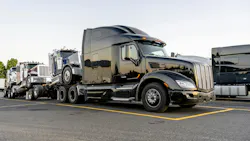
The latest State of Sustainable Fleets Market Brief is out, and I have spent some time reviewing it. Like the work we do at NACFE, this report is based on a broad range of data from real-world fleets. Pragmatic is a good way to describe our work and this report.
One key takeaway from the report was the fact that “the market for clean fleet technologies is maturing across all fuel types.” The report describes the market as in flux, which aligns with our description of the Messy Middle.
The trucking industry is seeing more widespread adoption of alternative powertrain solutions. In other words, we are moving from the pilot program phase to the fleet technology adoption phase.
The report found that renewable diesel and biodiesel are seeing increased use, and 56% of the fleets surveyed indicated they were using renewable diesel/biodiesel in 2025.
The introduction of the Cummins X15N engine has been a boost for fleets interested in natural gas, as it promises higher efficiency and lower weight than 12-liter versions. The availability of renewable natural gas continued to grow in 2025.
The report also indicated that registrations of battery-electric medium- and heavy-duty trucks rose 21% from 2024 to 2025. Public charging is still an issue, but there are developments in that area as well, and fueling for many BEV applications is being met by depot charging infrastructure.
The hydrogen fuel cell market is less clear, as key players have exited; however, there continue to be investments in this powertrain, along with investments in hydrogen fueling infrastructure.
It’s always a plus to have your work validated, and this State of Sustainable Fleets did just that. Developments are continuing to refine alternative powertrain solutions further, increasing their range, reducing their weight, and lowering the total cost of operation (TCO). To date, we have not seen any of the powertrain alternatives eliminated as viable options for heavy-duty trucking.
As we found in our analysis of data from Run on Less – Messy Middle, duty cycle matters when selecting a powertrain, and some powertrain solutions perform better in certain applications than in others. Fleets need to take an in-depth look at their operations to determine which powertrains will deliver the best total cost of ownership for a given application. This is a time when fleet managers with mixed-duty cycles may find themselves managing a variety of powertrains across their fleet.
Given recent history, I believe we will continue to see powertrain options improve over the next several years, providing fleets with more ways to move freight efficiently and cost-effectively.
We all need to continue to monitor developments across all powertrains, including diesel, so we can use data to help fleets be as efficient as possible.
 Most dangerous states for commercial truck accidents reveal regional fleet risk patterns
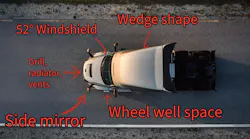 Class 8 truck fuel efficiency tweaks in the Volvo VNL
About the Author
 Michael Roeth
Michael Roeth
Executive Director
Michael Roeth is the executive director of the North American Council for Freight Efficiency. He serves on the second National Academy of Sciences Committee on Technologies and Approaches for Reducing the Fuel Consumption of Medium and Heavy-Duty Vehicles and has held various positions with Navistar and Behr/Cummins.