What your tank trailer interior reveals about fleet health
Key takeaways
- Tank interior wear patterns signal corrosion and structural risk before leaks or failures occur.
- Pitting, blistering, streaking, and erosion reveal cleaning gaps, cargo compatibility issues, and loading stress.
- Interior inspections and trend tracking improve maintenance planning and prevent downtime.
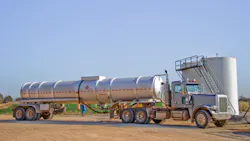
Fleet managers who focus only on engine hours and tire wear miss one of the most important indicators of asset health: the inside of the assets’ tanks. The interior records every load, wash, and route condition, so it tracks how well a fleet manages corrosion, product compatibility, and cleaning practices over time.
When you read interior signatures before they progress into leaks, coating failures, or shell damage, you protect uptime, cargo quality, and driver safety across the entire fleet. You also gain a powerful data point for budget planning, as recurring interior defects often indicate systemic issues rather than one-off issues, such as unsuitable products, rushed wash cycles, or overextended maintenance intervals.
Treating tank interiors as a leading indicator positions fleets to run longer, safer, and more predictably in demanding operations.
Interior wear signatures that tell on your fleet
Experienced inspectors recognize that specific interior wear patterns rarely happen by accident. They usually reflect repeat behaviors in loading, unloading, routing, or cleaning. These patterns include:
- Pitting: Small crater-like pits across the interior surface. These are usually caused by a chemical attack that begins beneath the visible surface and eats away at the wall thickness. The pattern often indicates incompatible or highly corrosive cargo, insufficient neutralization during cleaning, or dwell times that exceed what the tank material or liner tolerates.
- Streaking: Vertical or directional streaks suggest poor drainage and persistent product trails that never fully clear. Those marks can reveal low points, dead legs, or plumbing geometry that allows residue to sit and gradually undermine coatings and weld seams.
- Blistering: Raised bubbles or soft spots in interior coatings usually indicate a loss of adhesion and the presence of trapped contaminants or moisture under the liner. Left unchecked, those blisters open pathways for underfilm corrosion that can migrate to the shell structure and external surfaces.
- Erosion: Scoured, thinned paths along elbows, inlets, or impact zones signal repeated abrasion from high-friction cargo, such as sand slurries or certain dry bulk materials. The wear signature often aligns with high-flow loading practices or operating conditions that stress the same surfaces every day.
Each of these signatures points directly at how your fleet chooses products, sequences loads, and maintains cleaning discipline.
Interior condition levels and maintenance urgency
Maintenance teams that categorize the interior condition by severity respond faster and allocate budgets more strategically.
Maintain vigilance
A healthy tank interior has intact coatings and minimal wear. You should detect no meaningful corrosion or contamination. Continue routine inspections at regular intervals and align cleaning methods with the products you use, using visual and odor checks to verify cleaning effectiveness. Document baseline photos of healthy tanks so you can spot subtle changes over time.
 fleetsexplained_042516
 dana_2026_primary
Schedule targeted interventions
Isolated pits, light streaking, or small, stable blisters are your first warning about emerging trends. At this stage, schedule deeper cleaning, localized surface prep, and touch-up repairs before defects become structural issues. Review loading sequences and wash procedures to see whether certain products or routes correlate with the new wear patterns.
Degradation
A degraded interior shows broader coating loss, expanding blister fields, or corrosion that reaches weld seams and fittings. Treat these tanks as at-risk assets. Pull them into service bays for a full interior inspection, thickness testing where needed, and repairs that may include partial liner replacement. At the fleet level, recurring degraded findings within the same asset class suggest that your preventive maintenance schedule or product mix no longer aligns with real-world duty cycles.
Prioritize immediate downtime
When interior damage exposes bare metal over large areas, compromises shell thickness, or creates obvious potential for leaks, move the unit out of service and order a comprehensive evaluation. These tanks often require complete liner replacement, weld remediation, and verification that the structural integrity meets all regulatory test requirements.
Fleets that allow units to reach this stage repeatedly run with reactive maintenance cultures and face avoidable roadside incidents, lost loads, and emergency capital spending.
Turning interior inspections into fleet intelligence
Tank interiors often receive less attention than powertrain data or telematics. However, they can deliver equally valuable insight when fleets standardize how they inspect and record findings.
- Establish interior checkpoints: Build interior inspection milestones into your preventive maintenance program, not just into annual or five-year test requirements. Align checkpoints with regulatory intervals under 49 CFR 180.407, and calibrate the frequency based on cargo corrosivity and duty-cycle severity.
- Reveal defects: Remove loose residue and apply consistent lighting to highlight subtle pitting, early blistering, and thin erosion paths before judging the condition of the tank’s interior. This discipline also helps different inspectors reach similar assessments.
- Document and trend wear: Treat every interior inspection as a data event. Take photos and code findings that your maintenance system can aggregate across assets. Over time, trend lines show which routes, products, or operating practices accelerate interior deterioration so that you can adjust scheduling, loading sequences, and even specifications for tank trailer modifications.
- Partner with specialized repair shops: Complex work, such as blasting, liner selection, and full relining, requires specialized equipment and expertise, so fleets often partner with dedicated tanker repair operations that already understand cargo chemistries and coating systems. Collaborative programs that share inspection data often catch systemic issues earlier and reduce repeat failures.
Why interior health belongs in every fleet strategy
When executives and maintenance leaders treat tank interiors as strategic assets, they uncover early warnings about corrosion, cleaning quality, specification choices, and operational stress long before those issues appear on the outside. An interior that stays clean, structurally sound, and free from coating failures reflects disciplined preventive maintenance programs, informed product handling, and strong communication between drivers, wash facilities, and repair partners. In the era of tight margins and high equipment costs, fleets that read and act on interior wear signatures not only extend tank life, but they also stabilize uptime, protect cargo inventory, and strengthen the overall health of their operations.
About the Author
 Mike Blair
Mike Blair
Mike Blair is a sales representative at BEP Petroleum & Tank, which serves multiple industries with products such as steel and aluminum, and services such as fabrication, welding, and tanker trailer repair. Blair has more than three and a half decades of experience in the dynamic world of sales and finds immense satisfaction in forging connections and understanding the unique project requirements of individuals and businesses.