Clark: Strategies to combat diesel price volatility and protect fleet margins
Key takeaways
- Diesel price volatility makes fuel efficiency a critical strategy for protecting fleet margins.
- Route optimization, tire maintenance, and predictive maintenance can reduce fuel consumption.
- Driver coaching and telematics help fleets identify fuel waste and improve operating efficiency.

Few operating expenses have a greater impact on fleet profitability than fuel, making price volatility a major concern for carriers and private fleets. When you can’t anticipate what fuel prices will be on any given day, accurate forecasting becomes extremely difficult.
On July 7, the U.S. Energy Information Administration (EIA) average dropped 9 cents and, just one week later, rose 22 cents to $4.796, according to FleetOwner.
Price swings like these highlight the challenge fleet operators face in managing budgets and protecting profitability. Diesel costs can move sharply in either direction with little warning, making long-term planning increasingly difficult. Because crude oil is traded on a global market, domestic production levels alone do not determine what fleets ultimately pay at the pump. For businesses already operating on thin margins, improving fuel efficiency remains one of the most effective ways to offset rising fuel expenses.
 Fuel management strategies that help fleets reduce costs and improve efficiency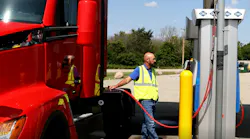
Strategies to reduce the impact of fuel price volatility
While fleets can’t control the market price of diesel, they can take steps to reduce consumption and improve operational efficiency. Today’s telematics platforms and data-driven technologies provide more visibility than ever into how fuel is being used and where savings opportunities exist.
Route optimization
Empty miles and inefficient routing quietly erode margins. Advanced routing software uses real-time traffic data, weather conditions, and delivery windows to map the most fuel-efficient paths.
Beyond simply reducing distance, optimization tools reduce exposure to congestion and unnecessary stops, both of which burn fuel. For fleets operating in regional or last-mile environments, dynamic routing can deliver immediate gains, while long-haul operations benefit from better load planning and reduced deadhead miles.
Fuel management solutions
Advanced fuel management systems enable fleets to monitor fuel usage, idling activity, and purchasing trends in real time. Greater visibility helps operators detect issues such as excessive idle time, unauthorized transactions, or vehicles consuming more fuel than expected.
These platforms also make it easier to compare performance across assets and drivers, allowing managers to identify where corrective actions can have the greatest impact. Over time, data-informed adjustments can produce meaningful reductions in fuel spend.
Tire maintenance
Tire condition plays an important role in overall fuel economy, yet it is frequently underestimated. When tires are underinflated, rolling resistance increases, requiring the engine to use more fuel to maintain performance.
Consistent tire pressure monitoring, proper wheel alignment, and replacing worn tires when necessary can all contribute to improved fuel efficiency. Automated tire inflation systems and structured maintenance programs can further support consistent performance across large fleets.
Predictive maintenance
Waiting for equipment failures to occur can be expensive in multiple ways. In addition to repair costs and downtime, poorly maintained vehicles often consume more fuel.
Predictive maintenance programs use telematics data and diagnostic insights to identify developing issues before they affect vehicle performance. Addressing engine, filter, and component problems early helps equipment operate more efficiently while reducing the risk of unplanned breakdowns and excess fuel consumption.
Driver coaching and training
Driver habits remain one of the most influential factors affecting fuel economy. Rapid acceleration, hard braking, speeding, and unnecessary idling can all contribute to higher fuel usage.
Training initiatives that emphasize fuel-conscious driving techniques can help improve miles per gallon almost immediately. Many fleets are also leveraging in-cab feedback systems, scorecards, and ongoing coaching to reinforce positive behaviors. When drivers can see how their actions affect fuel costs and fleet performance, they are often more motivated to adopt efficient driving practices.
The takeaway for fleet operators
There’s no indication that diesel price volatility will ease anytime soon. Ongoing geopolitical tensions, particularly involving Iran and the Strait of Hormuz, continue to create uncertainty in global energy markets. Because a significant portion of the world’s oil supply moves through this critical shipping corridor, any disruption or threat to traffic can quickly influence fuel prices worldwide.
While fleet operators have little control over these external forces, they can control how efficiently fuel is consumed. By leveraging technology, prioritizing maintenance, optimizing routes, and promoting fuel-efficient driving habits, fleets can reduce waste and better protect their margins in an unpredictable market.
About the Author
Jane Clark
Senior VP of Operations
Jane Clark is the senior vice president of operations for NationaLease. Prior to joining NationaLease, Jane served as the area vice president for Randstad, one of the nation’s largest recruitment agencies, and before that, she served in management posts with QPS Companies, Pro Staff, and Manpower, Inc.