Clark: Is your technician turnover problem coming from the inside?
Key Takeaways
- Leadership Impacts Retention: Front-line management is a primary driver of technician turnover.
- The High Cost of Turnover: Replacing a diesel technician can cost up to two times their annual salary.
- Proactive Development Matters: Feets should prioritize training programs that equip managers with communication, empathy, and coaching skills to foster technician loyalty and career growth.
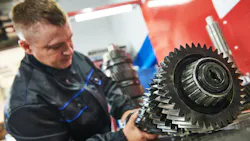
Fleet operators face no shortage of challenges in today’s volatile business environment. While some factors are outside their control, others are not. One area where fleet leaders can have a significant impact is employee retention, particularly among diesel technicians.
As I noted in recent blogs, a 2025 report from the American Transportation Research Institute found that 65.5% of maintenance shops were understaffed, with nearly one in five technician positions (19.3%) sitting vacant. Even more concerning is what lies ahead: an estimated 9,700 diesel technicians will retire each year, while another 15,100 will leave the profession altogether. Combined with expected industry growth of 2% annually, fleets will need approximately 30,500 new technicians every year just to keep pace with demand.
The cost of losing a technician is high. Industry research estimates that replacing a technician can cost anywhere from one-half to two times their annual salary, depending on experience and compensation levels. Recruiting, onboarding, training, and lost productivity all add up quickly.
At a recent NationaLease meeting, Candace D. Washington, CEO of Pivotal Impact, addressed this challenge head-on. Her message was clear: one of the biggest drivers of turnover may be hiding in plain sight.
As Washington noted, “An employee’s experience with front-line leadership is consistently one of the strongest predictors of employee engagement and retention.”
Do your maintenance managers have the leadership skills to keep techs?
Most managers earn their positions because of their technical expertise. That expertise is critical, but technical knowledge alone does not make an effective leader.
Managers are responsible for leading people, not just overseeing repairs and work orders. Effective leadership requires strong communication and coaching skills, empathy, self-awareness, accountability, and the ability to navigate difficult conversations. Without those skills, even well-intentioned managers can create an environment that pushes technicians away.
Washington shared several examples that highlight how management behaviors can negatively impact the employee experience:
- Feedback only comes when something goes wrong. Without recognition for work well done, technicians may conclude that no matter how hard they work, it’s never enough.
- Relationships are not prioritized. Managers who fail to connect with their teams can unintentionally leave technicians feeling isolated or like they don’t belong.
- Expectations are unclear. When communication is inconsistent, technicians can feel uncertain about whether they are meeting expectations or doing their jobs correctly.
Over time, these experiences erode engagement and increase the likelihood that a technician will look elsewhere.
The reality is that technicians want many of the same things every employee wants. They want to feel seen, heard, valued, challenged, and supported in their professional growth. Managers play a critical role in creating that experience.
For senior leadership, the takeaway is clear: technician turnover is not always about compensation, benefits, or labor shortages. Sometimes the problem begins with leadership. Organizations that recognize this connection can take a more objective look at how managers lead and invest in the training needed to strengthen those skills.
 Predictive maintenance helps fleets reduce downtime and extend truck life
 Diesel technician skills gap grows as truck technology outpaces training programs
Great managers are developed, not born
One of the clearest signs of effective leadership is how technicians respond to feedback. When employees focus on improvement rather than becoming defensive, when they feel valued rather than merely evaluated, it’s often a sign that their manager has built trust.
According to Washington, effective managers do more than manage today’s workload. They help develop future talent by preparing technicians for the next opportunity in their careers. That kind of investment creates loyalty and gives employees a compelling reason to stay.
If your organization lacks the internal resources to build leadership capabilities, there are plenty of specialized training providers that can help. The cost of leadership development should be weighed against the far greater expense of repeatedly recruiting, hiring, onboarding, and training replacement technicians.
There is no shortage of content focused on technician training. However, far less attention is given to leadership development for the managers responsible for retaining that talent. With many technicians citing poor management as a reason for leaving their jobs, now is the time for fleet leaders to take a closer look at the management experience inside their own organizations. Because the real cause of technician turnover may not be outside your fleet at all; it may be happening within it.
About the Author
Jane Clark
Senior VP of Operations
Jane Clark is the senior vice president of operations for NationaLease. Prior to joining NationaLease, Jane served as the area vice president for Randstad, one of the nation’s largest recruitment agencies, and before that, she served in management posts with QPS Companies, Pro Staff, and Manpower, Inc.