Why the strongest transportation RFPs go beyond price
Key takeaways
- RFPs can expose network inefficiencies that affect transportation costs, service, and carrier capacity.
- Better cost visibility helps shippers separate market-driven expenses from operational inefficiencies.
- Strong carrier partnerships depend on clear expectations for capacity, safety, compliance, and network performance.
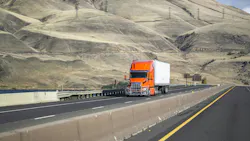
Every transportation provider experiences RFP (request for proposal) season from the opposite side of the table. Over time, that perspective reveals patterns that aren't always visible during the procurement process.
While every organization rightly focuses on securing competitive pricing, the strongest RFPs tend to share something else: they create an opportunity to evaluate the transportation network itself, not just the carriers being asked to move it. That means understanding both how freight will move through the network and how transportation providers operate behind the scenes, from driver onboarding and qualification to ongoing safety and performance management.
That's because some of the biggest opportunities to improve transportation performance are identified long before pricing discussions begin.
Beyond rates: Evaluating transportation costs and network efficiency
Competitive pricing will always be a key objective during RFP season. But transportation costs are influenced by more than market conditions, fuel prices, or labor availability. They are also shaped by how freight moves through the network.
Shipment forecasts, appointment scheduling, dwell time, communication, facility efficiency, and freight consistency all affect how carriers plan capacity and utilize their assets. Those operational realities ultimately influence both pricing and service.
For shippers, that creates an opportunity. While external market conditions can't be controlled, many of the operational factors that shape transportation costs can.
RFP season: Reassessing freight networks, lanes, and carrier capacity
An RFP naturally prompts organizations to evaluate their carrier base. It's also a valuable time to revisit the assumptions behind the network itself.
Here are some questions worth exploring:
- Have shipment volumes or freight patterns changed since the last procurement cycle?
- Which lanes consistently experience delays or detention?
- Are appointment windows realistic and operationally achievable?
- Have customer expectations evolved in ways that affect transportation requirements?
- Are forecasting and communication processes providing carriers with enough certainty to plan effectively?
These conversations often uncover opportunities to improve both cost and service, regardless of which carrier ultimately wins the business.

 cost of trucking video thumbnail
Cost visibility: Separating market pressures from operational costs
One of the most valuable outcomes of the RFP process is greater visibility into what is actually driving transportation costs.
Many organizations continue to rely on all-in pricing models that bundle line haul and fuel into a single rate. While administratively straightforward, these models can make it difficult to distinguish between external market pressures and operational costs.
Breaking those components apart doesn't eliminate market volatility, but it does provide a clearer understanding of which costs are market-driven and where operational improvements could create efficiencies over time.
That visibility helps procurement conversations become more strategic, focusing on both the rate being quoted and the factors influencing it.
Building stronger shipper-carrier partnerships through RFPs
The most successful transportation relationships don't begin when a contract is signed. They begin during the conversations leading up to it.
When carriers have a clearer understanding of shipment volumes, seasonality, operational expectations, and long-term business objectives, they're better positioned to build solutions that reflect how the network actually operates—instead of simply responding to a list of lanes.
Those conversations should also go beyond pricing and capacity. Shippers should understand how prospective transportation partners build and maintain their operations. How are drivers onboarded and vetted? What standards are used to qualify them before they move freight? How are safety performance, compliance, and ongoing training monitored over time?
Likewise, when shippers understand how operational decisions influence carrier planning and how carriers manage the people and processes responsible for executing the work, it creates opportunities for both sides to improve performance over the life of the agreement.
That's ultimately what makes an RFP successful: creating the foundation for a stronger partnership.
Beyond the contract: Improving long-term transportation performance
After participating in countless transportation RFPs, one thing becomes clear: the strongest procurement processes create value long before the first shipment moves.
They give both shippers and carriers a better understanding of how the network operates today, where improvements can be made, and what it will take to deliver stronger performance tomorrow.
Competitive pricing will always be part of the conversation. But the strongest transportation partnerships begin with something more valuable: a shared understanding of what success looks like once the freight starts moving.
About the Author
 Ray Blackwell
Ray Blackwell
With more than 25 years of experience in the transportation industry, Ray Blackwell brings expertise in strategic growth, operational excellence, client management, and 4PL operations. As general manager of sales & operations at Fuel Transport, he leads efforts to scale operations, strengthen client partnerships, and support the company’s continued expansion across North America.