Why the vehicle itself is becoming the last analogue touchpoint in fleet retail
Key takeaways
- Digital dealer systems improve stock management, but physical vehicle information can still require manual updates.
- Manual price and stock updates can create inconsistencies between dealership systems and information shown to buyers.
- Connecting digital vehicle data with physical stock can reduce repetitive work and improve inventory accuracy.
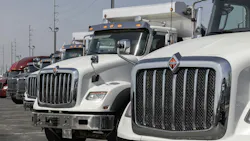
Dealers have changed how they buy, manage, and advertise stock. Today, fleet and commercial vehicle buyers can find vehicles online, compare specifications, check availability, review finance options, and make an inquiry before they even speak to a dealer.
The change behind the scenes has been just as significant. Dealer management systems (DMS) have replaced plenty of manual processes; CRM systems have brought customer information together; and online marketplaces and digital finance tools have moved more of the buying journey online.
After more than 25 years in automotive, I still see the same old sight when I walk onto a dealership: a printed price card on a vehicle windscreen.
I have witnessed several generations of dealership technology pass by. Dealers have moved away from paper records and manual processes and invested heavily in systems that give them much better control over stock, pricing, and customer information. But the physical vehicle, whether it is a van, truck, or other commercial vehicle sitting on a dealer's site, hasn’t kept up.
A dealer can have accurate information about a vehicle in its DMS, on its website, and in its sales and CRM systems, while the information shown to a customer standing beside that same vehicle can still depend on manual action. These manual processes matter when they have to be repeated hundreds or thousands of times.
That’s why I think it’s worth revisiting some of the processes dealers have inherited. Take a straightforward price change. A commercial vehicle has been in stock longer than expected, so the dealer reduces the price, for example. The change can be made in the dealership's systems, the online advert can be updated, and the sales team can be informed. But someone still needs to update the physical vehicle. The price card needs to be changed. Depending on the dealership, that might mean creating or printing a new one, finding the vehicle, and replacing the old card.
The same applies when other details change: A vehicle might move between sites, a specification might need correcting, a promotion or finance offer could change, or the vehicle might become reserved or sold. Multiply that across a large stock holding, several sites, and constantly changing commercial vehicle inventory, and the administration adds up.
There’s also the human factor. Manual processes depend on someone remembering to do them. The person responsible might be with a buyer when the change comes through, the vehicle might have moved, or the new card might not be ready yet. An old version can then remain on the vehicle even though the online information has already changed. The buyer then sees two mismatched pieces of information and wonders why.
This matters. The best technology isn’t always about adding another feature; sometimes it’s about removing a repetitive task that reduces the chances of something being missed and takes up valuable team time.
Dealership systems have become increasingly good at managing vehicle data. Websites use it, sales teams access it, and management uses it to track stock, pricing, and performance. But the physical vehicle is where much of that information is ultimately seen by the buyer. There’s no real reason for the dealer site to remain such a separate information environment.
Dealers have spent years digitizing the systems that run their businesses. The next step is to look at the physical parts of the operation that still rely on manual work. The windscreen price card is a good example. Buyers need the information to be clear, accurate, and up to date. Dealers want the same thing.
Much of what happens before a buyer reaches the vehicle is already digital. The next question is what happens when they get there. The next step in fleet retail is not simply digitizing another system. It’s connecting the digital information a dealer already has with the physical vehicle sitting in front of the buyer.
 How transportation RFPs can improve fleet costs, service, and carrier performance
 Agentic AI adoption creates new security and governance risks for fleets
About the Author
 Andrew Wood
Andrew Wood
Andrew Wood is the founder and CEO of AutoTalker, a company that helps automotive, leisure vehicle, and commercial vehicle dealers connect their digital vehicle data with the physical vehicles on their sites. With more than 25 years of experience in the automotive industry, Andrew has worked through major shifts in dealership technology.