Shaver: Driver pay changes hit a four-year high
Key takeaways
- Driver pay changes are accelerating as fleets compete for a shrinking pool of qualified drivers.
- Higher mileage rates alone may not make fleets more competitive in recruiting and retaining experienced drivers.
- Market-specific compensation data can help fleets target wage increases where recruiting and retention pressures are greatest.
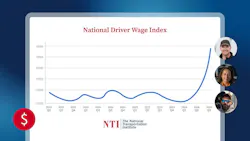
The race to raise driver pay is heating up again, and the latest numbers should get every trucking executive's attention. According to new data from the National Transportation Institute (NTI), trucking companies made more driver pay changes in the third quarter of 2026 than in any quarter since early 2022. In fact, pay-change activity at trucking companies in Q3 exceeded what many private fleets typically do in an entire year.
The pace of change is significant, especially after several years of relatively limited pay movement among for-hire fleets. It has many fleets asking if they need to raise pay, too. They might, but the more important question is whether a pay increase will actually make you more competitive for the drivers you need.
What's behind the activity
One of the most interesting things about the latest pay activity is where it's happening. While we're seeing some substantial pay increases, we aren't seeing them across the board. Much of the recent movement is in over-the-road jobs, where fleets are competing for experienced drivers who aren't actively looking to leave their current employers.
Public announcements have pushed starting mileage rates for solo drivers into the 70-cent-per-mile range, and fleets are also raising stop pay, drop pay, detention pay, and other activity-based compensation. Specialized positions, teams, and certain geographic markets are seeing increases as well. Sign-on bonuses and referral incentives are also getting renewed attention.
Underneath that activity lies a pool of qualified drivers that keeps getting smaller. NTI data shows the for-hire driver population declined more than 5% in 2025 as drivers continue to leave the market amid increased regulatory enforcement. Driver turnover remains a serious challenge for many fleets, particularly during a driver's first 120 days of employment.
The freight market, however, hasn't improved enough for most for-hire fleets to raise pay across the board. So, pay is moving unevenly—by job, by market, and by fleet. That disparity is exactly why a raise that looks big from the inside may not be competitive from a driver's point of view.
 First 120 Days: Key Driver Retention Window for Fleets
 Creating leadership paths in trucking that actually work for family life
Why a big raise can still fall short
\When a fleet announces a large increase, it usually gets noticed, but the size of the increase doesn’t always make a company more competitive. If the company hasn't adjusted pay for several years, the increase may simply bring the fleet back in line with what nearby competitors already pay. That means it is a catch-up, not a competitive advantage.
That matters because the drivers fleets want most—the experienced, safe, and reliable ones—rarely look for a change. Leaving means trading a company they already know and trust for something uncertain and rarely justifies the trade. That’s why understanding your true labor competition is so important.
It's not enough to look at an industry-wide pay average or what another carrier recently announced. Fleets need to understand what comparable drivers are actually earning in similar jobs, in their specific markets, and at the companies competing for that same talent.
Know your real labor competition
Industry-wide pay averages and headline announcements are a starting point, but the comparison that matters is what drivers doing similar work in your markets are earning from the specific companies competing for them. That includes what private fleets are offering.
It is also important to look at what is happening with wages today, not last year. When pay is moving quickly, current data is critical. Also, when looking at competitors’ pay packages, compare total earnings, not just rates. A cents-per-mile rate is only as good as the miles behind it. Drivers weigh weekly and annual earnings, how activity pay adds up, whether earnings are guaranteed, home time, job requirements, and the overall experience of working for a company. A fleet with a slightly lower mileage rate but more consistent miles and better home time can be more attractive overall.
What happens next?
The increase in pay-change activity, as well as open job requisitions, are both important signals. However, as private and for-hire fleets work daily with NTI on pay structure, we examine their specific situation before making an immediate, across-the-board increase. Raising pay creates a fixed cost increase and doesn’t always repair a specific and situational issue.
Examine where your organization is experiencing pressure. Which positions are hardest to fill, and how long are they staying open? Where are qualified applicants turning down offers, and what are they choosing instead? Which drivers are leaving, at what point in their tenure, and where are they going? How does your total compensation compare with the employers that are winning those drivers? Will this pay increase become a competitive advantage, whether in the paycheck or simply in employment advertising?
Answering those questions can help find a narrower, more targeted fix. It also helps you spend wisely. Dollars aimed at the specific positions and markets where you're losing drivers will do more than the same dollars spread across the entire fleet.
Planning for 2027
The top statement made to me right now is “how fast can I get the results back so I can make a decision in Q4?” If freight rates strengthen and demand rebounds while qualified driver supply continues to shrink, the pressures we're seeing in specific pockets of the market could become much more widespread.
That's why this latest pay movement matters, and fleets need to take time to understand where wages are increasing, why they're increasing, and what those changes mean for their ability to recruit and retain qualified drivers. Understanding those distinctions now will put fleets in a much stronger position to make informed compensation decisions as we move into 2027.
At NTI, we’ve tracked driver pay movement through our National Driver Wage Index for more than 30 years and regularly work with for-hire carriers, private fleets, and dedicated 3PLs to benchmark compensation against their specific competitors. Our research goes beyond base mileage and hourly rates to examine actual earnings, bonuses, activity pay, benefits, and other components of driver compensation by job type and market.
With qualified driver supply tightening and freight conditions limiting broad wage growth, this level of detail helps fleets identify where their pay is competitive, where gaps exist, and where targeted adjustments can make the greatest difference in recruiting and retention.
About the Author
 Leah Shaver
Leah Shaver is president and CEO of The National Transportation Institute (NTI). NTI has tracked, analyzed, and published professional driver and technician compensation and benefits data since 1995, utilizing proprietary research and surveys of for-hire motor carriers and private fleets. Prior to joining NTI in 2015 and assuming ownership of the company in 2020, Shaver headed the HR and recruiting departments at a large midwestern-based for-hire motor carrier. She is also on the board of directors of the Next Generation in Trucking Association.
Related
 DriverWalking