Copeland completes Dickson acquisition to expand cold chain monitoring
Key takeaways
- Copeland’s acquisition of Dickson adds environmental monitoring and compliance technology to its cold chain portfolio.
- The combined systems can monitor conditions across storage, transportation, and delivery.
- The technology is designed to help identify cold chain issues earlier and reduce product-loss risks.
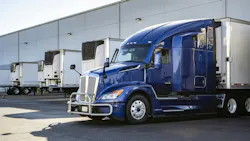
Copeland recently completed its acquisition of Dickson, bringing the environmental monitoring and compliance technology provider into its cold chain business. The company will combine Dickson’s cloud-based monitoring platform with Copeland’s controls, monitoring, and enterprise software capabilities.
The combined technology portfolio is intended to give customers greater visibility into environmental conditions across the cold chain. The solutions cover applications ranging from biotechnology manufacturing and pharmaceutical distribution to healthcare, retail pharmacy, and medical devices.

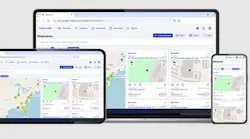
For temperature-sensitive products, the systems can monitor conditions as products move through production, storage, transportation, and delivery. The companies also said the technology can provide actionable information to help customers identify potential problems earlier and reduce the risk of product loss.
“The acquisition of Dickson further strengthens our ability to serve customers across every stage of the healthcare and life sciences cold chain, from pharmaceutical manufacturing through distribution and patient care,” said Ross B. Shuster, CEO of Copeland. “We are pleased to welcome the Dickson team, with their expertise and capabilities, to Copeland.”
What this means for the trucking industry
The acquisition brings transportation into a broader monitoring ecosystem that spans the movement of temperature-sensitive products from production through final delivery. For fleets hauling pharmaceutical, food, and other temperature-sensitive freight, greater visibility into environmental conditions could help identify issues during transit and support efforts to protect cargo.