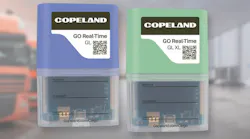
Copeland integrates Oversight360 with Blue Yonder to improve cold chain visibility
Key takeaways
- Oversight360 integrates with Blue Yonder Network to combine shipment and product condition data.
- The integration supports monitoring of shipment location, product quality, and inbound delivery performance.
- Copeland says the integration is being implemented with a major U.S. food retailer.
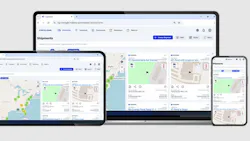
Copeland recently integrated its Oversight360 cargo monitoring software with Blue Yonder Network to provide a unified view of shipment location and product condition data for cold chain operations.
The company, which develops compression technologies and controls solutions, connected Oversight360 shipment condition insights with Blue Yonder Network workflow and visibility capabilities to help suppliers, logistics partners, and operators reduce spoilage, minimize in-transit disruptions, and improve shipment oversight.
The integration combines real-time shipment location data and telematics signals from Oversight360 with Blue Yonder Network, allowing shipment condition and logistics information to be viewed within a single platform. By bringing these data streams together, Blue Yonder Network can aggregate the information, apply intelligence, and generate actionable insights that support supply chain workflows and future predictive capabilities.
Copeland said the integration is currently being implemented with a major U.S. food retailer. Data collected through Copeland GO trackers and Oversight360 software is integrated into Blue Yonder Network to support inbound shipment goals for on-time, in-full delivery.
“The ability to bring together critical shipment and condition insights within a single platform supports more informed, proactive decision-making,” Lori Haggart, VP of monitoring at Copeland, said. “Copeland’s Oversight360 software integration with Blue Yonder Network is helping to meet retailers’ supplier compliance requirements, optimize freshness, and minimize waste, reflecting a broader shift toward greater transparency and data sharing across the cold chain.”
What this means for the trucking industry
For refrigerated carriers and fleets handling temperature-sensitive freight, combining shipment location and cargo condition data into one workflow can improve visibility across the supply chain. As retailers seek more detailed shipment information, fleets may face growing expectations to provide integrated monitoring data that supports compliance, reduces product loss, and improves on-time delivery performance. Technologies that connect telematics, cargo monitoring, and logistics platforms are likely to become increasingly important for fleets serving food and other cold chain markets.