Lineage survey highlights cold chain capacity and technology challenges
Key takeaways
- 72% of respondents reported increased product demand, while 66% said supply chains struggled to keep pace.
- 47% identified flexible storage capacity as their greatest need from cold storage partners.
- Three in five respondents said investments in data and AI positively affected their supply chains.
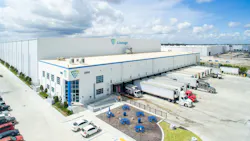
Lineage recently released findings from its 2026 Cold Chain Insights Survey, highlighting capacity constraints, supply chain disruptions, and technology adoption among food and beverage companies. The company surveyed 1,000 food and beverage supply chain decision-makers across North America.
The survey found that 72% of respondents experienced increased demand for their products over the past year, while 66% said their supply chains only sometimes kept pace with demand or struggled to do so.
Trade policy and tariffs also remain concerns. According to the survey, 92% of respondents made adjustments in response to policy shifts, and 73% expected tariffs to hurt their financial performance in 2026.

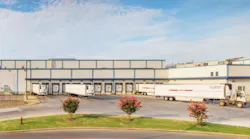
Cold chain capacity and network flexibility
The survey findings point to a need for storage capacity that can adapt to changing demand and distribution requirements. Nearly half of respondents (47%) identified flexible storage capacity as their greatest need from cold storage partners.
In one example, a frozen produce manufacturer and distributor anticipating a harvest of more than 105 million lb. expanded its cold storage network from three facilities to 15 in a matter of weeks. The expanded network accommodated 64,000 pallets of frozen produce and supported more than 400 temperature-controlled shipments by rail and over-the-road trucking.
The findings also highlight opportunities to improve distribution efficiency through network analysis. Nearly three-quarters of respondents (72%) said their logistics providers didn't meet all of their needs in 2025.
In another example, Lineage's Data Science team evaluated a major U.S. food importer's distribution network and identified opportunities to expand into four distribution centers, potentially saving $2 million annually in transportation costs.
AI adoption and performance
Technology investments are also showing measurable results. Three in five survey respondents said investments in data and artificial intelligence (AI) positively affected their supply chains. Additionally, 24% reported that returns on AI exceeded their investments, while 62% said returns matched or came close to matching their investments.
Lineage uses Sybil, a machine-learning algorithm that predicts how long pallets will remain in storage. The information helps warehouse teams determine where products should be placed and reduce unnecessary movement.
What this means for the trucking industry
Growing food demand and uneven supply chain capacity are increasing the importance of coordination between cold storage providers and transportation partners. For refrigerated carriers, access to flexible warehouse networks and better planning data can help align capacity with seasonal volumes, reduce unnecessary freight movements, and improve distribution efficiency.
The survey also suggests that logistics providers have an opportunity to strengthen customer relationships by pairing transportation services with data-driven planning and more responsive capacity solutions.