Fatigue Science and Dot Transportation pilot predictive fatigue management
Key takeaways
- DTI will pilot Fatigue Science’s Readi platform for predictive fatigue management.
- Readi provides personalized fatigue predictions ahead of upcoming shifts.
- The platform does not require drivers to wear a device.
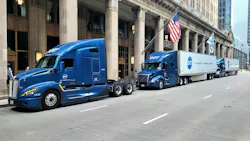
Dot Transportation Inc. (DTI) recently selected Fatigue Science for a pilot program using its Readi fatigue management platform to identify and manage driver fatigue risk before incidents occur. The company, which provides transportation services as the transportation affiliate of Dot Foods, will introduce Readi’s predictive fatigue technology into its existing safety program.
The pilot will give DTI safety teams and driver supervisors greater visibility into when individual drivers may face elevated fatigue risk before and during an upcoming shift. Readi provides personalized, hour-by-hour fatigue predictions and allows supervisors to take actions such as strategically timed rest breaks or driver check-ins while minimizing disruption to daily operations.
DTI currently uses Samsara and other safety processes to monitor driver behavior and identify events that may require review. The pilot will examine how fatigue risk data can add a predictive layer by identifying when a driver may be approaching elevated fatigue risk before an in-cab or telematics event occurs.

Readi does not require drivers to wear a device and can integrate with fleet systems such as Samsara. The platform can use driver work and rest information alongside Fatigue Science’s AI technology to generate personalized fatigue predictions.
As part of the pilot, Fatigue Science and DTI will evaluate fatigue risk patterns, operational workflows, and opportunities to incorporate predictive fatigue data into DTI’s broader driver safety strategy.
“Fatigue is an important priority in our overall driver safety program,” Clint McDonald, director of safety at DTI, said. “We already have several programs and technologies in place to support our drivers, and this pilot gives us an opportunity to better understand how predictive fatigue data could complement those efforts to improve safety.”
What this means for the trucking industry
The pilot could show how predictive fatigue information works alongside telematics and existing safety processes, giving supervisors another way to identify potential risk before it becomes a driving event. For refrigerated fleets and other carriers operating demanding schedules, the ability to assess fatigue risk without requiring drivers to wear additional devices could make predictive fatigue management easier to evaluate within existing workflows.