Together for Safer Roads and Samsara launch food bank fleet safety program
Key takeaways
- Five food banks across four states will participate in TSR's FOCUS on Fleet Safety cohort.
- Samsara Vehicle Gateways provide vehicle location and engine health visibility.
- AI Dash Cams support real-time driver alerts and coaching based on recorded events.
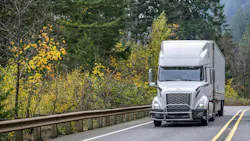
Together for Safer Roads (TSR) recently launched a FOCUS on Fleet Safety Food Bank Cohort, funded by Samsara, to help food banks improve driver safety and fleet operations. The organization, which strengthens fleet safety, will provide participating food banks with workforce development training, peer support, benchmarking tools, and access to Samsara technology.
The program builds on TSR's FOCUS on Fleet Safety workforce development program, which uses industry best practices and peer mentorship to help fleets strengthen safety cultures and operations. Participants will identify shared challenges, exchange knowledge, and develop practical approaches to driver safety and fleet management.
The inaugural cohort includes five food banks serving metropolitan and rural communities across four states:
- Houston Food Bank in Houston, Texas.
- San Antonio Food Bank in San Antonio, Texas.
- Central California Food Bank in Fresno, California.
- Food Bank for the Heartland in Omaha, Nebraska.
- Gleaners Community Food Bank of Southeastern Michigan in Taylor, Michigan.
Participating food banks will have access to Samsara technology, tools, and resources, including:
- Samsara Vehicle Gateways: Track vehicle locations and engine health, providing visibility that can support improved routing and vehicle utilization.
- Samsara AI Dash Cams: Detect risky behaviors such as distracted driving, provide in-cab alerts to help drivers respond to hazards, and capture footage managers can use for driver coaching.
“Food banks sustain communities, and their fleets make that mission possible,” said Peter Goldwasser, TSR's executive director. “The people behind the wheel are carrying out essential work every day, often across complex routes and under demanding conditions. Through this cohort, we can help protect the people carrying out that mission and everyone with whom they share the road.”
What this means for the trucking industry
Reliable transportation is essential to food distribution, particularly when fleets move perishable goods across urban and rural service areas. For refrigerated carriers and other fleets in food logistics, driver safety, vehicle reliability, and efficient routing help keep deliveries on schedule and protect the supply chain. The program highlights how driver training, vehicle visibility, and AI-powered coaching can help transportation operations maintain safer, more dependable fleets while supporting food delivery to communities.