Chiltern Distribution orders Sunswap Endurance to cut reefer costs and emissions
Key takeaways
- Chiltern ordered Sunswap Endurance units for SOR trailers through a long-term hire agreement with TIP Group.
- Endurance operators have achieved up to an 81% reduction in refrigeration operating costs versus diesel.
- Endurance provides asset performance data and temperature records to support maintenance and compliance.
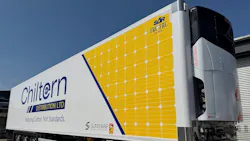
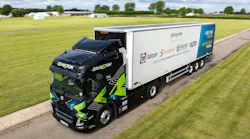
Chiltern Distribution recently ordered Sunswap Endurance electric refrigeration units fitted to SOR trailers through a long-term hire agreement with TIP Group. The company, which operates a multi-temperature cold chain fleet, is using Endurance to improve fleet performance, reduce operating costs, and lower emissions.
Drivers using Endurance have reported reduced noise during overnight and residential deliveries, an important benefit for Chiltern’s pharmaceutical work requiring early-morning access to urban and residential areas.
Endurance charges from standard shore power are already available at most temperature-controlled depots, while trailer-top solar can extend range and reduce costs. The system requires no installation or changes to the existing operation, according to the release.
Operators using Endurance have achieved up to an 81% reduction in refrigeration operating costs compared with diesel. For Chiltern’s multi-temperature fleet, the technology is intended to provide operating cost savings while eliminating refrigeration diesel emissions.
"We've spent the last year investing in our people, our systems, and the way we run this business,” Brian Sagaseta, owner and managing director of Chiltern Distribution, said. “We want to stay ahead, and that means making sure the technology we run gives us the same commitment to our customers that we do. Endurance does this; it gives the performance, data, and emissions-reduction that wasn't possible before.”
What this means for the trucking industry
Chiltern’s deployment illustrates how refrigerated fleets can evaluate electric refrigeration based on more than emissions alone. Lower refrigeration operating costs, reduced noise, planned maintenance data, and temperature compliance records can all affect fleet performance, particularly for operators serving pharmaceutical customers and other time- and temperature-sensitive freight.