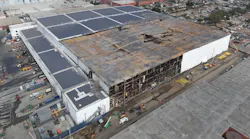
3M launches Cooling Film to help fleets manage cabin heat and cooling demand
Key takeaways
- 3M’s Cooling Film is designed to help manage heat in transportation applications, including refrigerated trucks and trailers.
- The roof-applied film reflects more than 85% of solar radiation and can reduce interior temperatures by up to 10 degrees Fahrenheit.
- Heat management could help fleets balance equipment efficiency, cargo protection, and driver comfort.
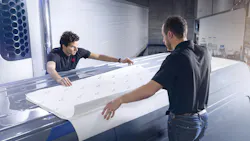
3M recently launched 3M Cooling Film, a roof-applied heat-management solution designed to keep vehicle cabins cooler, reduce cooling demand, and improve operational efficiency. The company, which develops transportation, graphics, and advanced materials solutions, designed the film for applications including last-mile delivery fleets, refrigerated trucks and trailers, and passenger rail vehicles.
The film uses thermal management technology to reflect more than 85% of solar radiation and reduce heat buildup without requiring additional energy. Depending on the application, it can reduce interior vehicle temperatures by up to 10 degrees Fahrenheit, potentially reducing cooling demand while helping limit heat exposure for temperature-sensitive cargo.
Product features:
- A durable coating resists dirt, chemicals, and wear.
- A five-year warranty supports long-term use.
- Professional installation is designed to minimize downtime and return vehicles to service faster.
"Heat is an increasing challenge for transportation operations in warmer climates, affecting fleet efficiency, cargo and comfort," said Wendy Bauer, group president of 3M's transportation and electronics business group. "3M Cooling Film helps customers address those challenges when every degree matters."
What this means for the trucking industry
For refrigerated fleets, reducing heat buildup could help ease cooling demands and limit heat exposure for temperature-sensitive cargo, particularly during operations in warmer climates. For other fleets, lower cabin temperatures could also improve driver comfort while reducing the energy needed to manage interior heat. Because the film does not require additional energy to reflect solar radiation, fleet managers can evaluate its potential benefits without adding another power demand to the vehicle.