Maximize ADAS performance with these maintenance strategies
Key takeaways
- Ensure proper functioning of ABS and ESC systems, as they form the foundation of ADAS technology.
- Regularly inspect wheel-speed sensors for damage or disconnection, especially after wheel-end service.
- Check radar mounting components for damage and alignment.
- Protect radars from environmental elements by ensuring proper sealing and mounting.
- Verify camera connections, clear obstructions, and ensure the camera remains in its OEM-installed position after any windshield work.
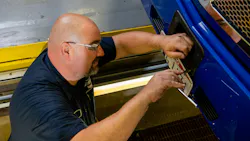
Are your fleet vehicles equipped with ADAS technology? Advanced driver assistance systems, or ADAS, as the technology is typically referred to, have advanced rapidly in the automotive and trucking industries. This collision-prevention technology has its clear benefits. But like any vehicle component, ADAS also requires a bit of maintenance.
Heavy-duty ADAS developer Bendix recently released ADAS maintenance tips to help ensure a fully functioning safety system on ADAS-equipped vehicles.
What is ADAS?
Before we jump into ADAS maintenance, it’s important to understand what it is.
ADAS can make all the difference between a severe collision and a fender bender. Even the government finds these systems valuable enough to have mandated them for vehicles with a GVWR of 10,000 or lower, starting in 2029.
Available on most vehicles, from light-duty to heavy-duty, these systems use radar, sensors, and cameras to detect both moving and stationary objects around the vehicle. If an ADAS-equipped vehicle “senses” that the vehicle ahead has slowed enough to cause a potential collision, the ADAS system will alert the driver with an audible and visual cue to slow down. If the vehicle gets too close, the system will automatically apply the brakes.
Anyone who owns or has driven an ADAS-equipped vehicle for an extended period has likely experienced its benefits—perhaps even helping prevent a collision.
In the fleet world, ADAS adoption is becoming more widespread, and to accelerate it further, the Federal Motor Carrier Safety Administration (FMCSA) established TechCelerate Now. The program, funded by the Department’s Intelligent Transportation Systems Joint Program Office, seeks to engage and educate drivers and fleet owners about the system and its benefits.

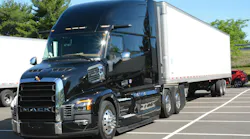
How to maintain your fleet vehicles’ ADAS systems
When troubleshooting for ADAS maintenance, it is best to break the technology into its basic components: brakes and sensors.
Ensure proper ABS and ESC function
ADAS systems may not be available if there is a fault with the antilock braking system (ABS) or electronic stability control (ESC) technologies, as ADAS is built on the foundation of ABS and ESC, the Bendix team explained. Therefore, it’s imperative that fleets and maintenance teams ensure proper ABS and ESC function so the ADAS system can perform as designed.
“One ABS concern centers on wheel-speed sensors, which can be susceptible to chassis harness issues such as rubs and chafing, as well as issues occurring when service is done at the wheel-end,” said Brian Screeton, Bendix manager for technical training and service. “The sensor may become nonfunctional, a wire may be severed, or a sensor is not close enough to the tone ring.”
One concern surrounding ESC is when a steering angle sensor becomes discalibrated. This can happen after any front-end work. Another ESC concern is the placement of a lateral acceleration/yaw rate sensor after service. If this sensor is moved from its correct orientation, “then a fault may result with the stability control system,” Screeton said.
How’s the radar looking?
ADAS systems rely on sensors and radar, and even if one radar is pointing slightly off in any direction, it can lead to problems with accurate ADAS assistance. When assessing radars, be sure to check for damage to the radar’s mounting components, as well. But above all, Bendix states that all radar issues should be evaluated by trained professionals to ensure the system is properly functioning.
“Radar misalignment means that the radar is not pointing in the right direction,” Screeton said. “This is due usually to improper installation after a repair or after a collision with something that strikes the radar or its mounting.”
Another concern with radars is their exposure to the elements. Mounted on the front of the vehicle, radars are exposed to rain, wind, snow, ice, and chemicals used to melt roadway snow. If a radar and its connection are not properly sealed, these elements can wreak havoc on the radar and the overall function of the ADAS system, Bendix states.
What’s going on with the camera?
As with radar, if cameras malfunction, the ADAS system will not work as designed. When camera issues occur, Bendix first recommends ensuring the camera is plugged in and connected. The next step is to check that wires are not cut or frayed. If the issue persists, check the chassis harness.
“Camera blindness is usually a temporary, self-correcting occurrence, possibly due to sun and/or fog,” Screeton said. “However, if the camera is blocked by something—like a large bug or a piece of tape—then this will also cause a problem.”
Additionally, if the camera was removed and then reinstalled, such as when the windshield was replaced, check that the camera remains in its original OEM-installed location.
Not all ADAS systems are created equal
While ADAS systems might not seem to vary too much from one vehicle to the next, they aren’t all the exact same. For this reason, Bendix suggests every maintenance team member and driver read the operator’s manual to get a full understanding of the ADAS system installed in their vehicle.
Alerts could sound different from one vehicle to the next. One visual cue could feature unfamiliar graphics. It’s also important to understand what ADAS features the vehicle is equipped with and which it lacks.
Additionally, Bendix acknowledges that while these tips are helpful, they don’t apply to every ADAS system out there. Fleets running Bendix ADAS systems can find more Bendix-specific ADAS maintenance advice from Bendix Tech Tips.
About the Author

Jade Brasher
Executive Editor Jade Brasher has covered vocational trucking and fleets since 2018. A graduate of The University of Alabama with a degree in journalism, Jade enjoys telling stories about the people behind the wheel and the intricate processes of the ever-evolving trucking industry.