Netradyne identifies midday peak in severe driving alerts to improve fleet safety
Key takeaways
- Severe driving alerts peaked between 2:20 and 2:30 p.m. across monitored fleets.
- Distraction and following too closely accounted for over 70% of peak-window alerts.
- Nearly 90% of severe driving alerts occurred Monday through Friday.

Netradyne recently identified a midday peak in severe driving alerts across monitored U.S. fleets, highlighting an opportunity to improve driver coaching and safety programs. The company, which builds physical artificial intelligence (AI) technology for monitoring driving behavior, analyzed 18.3 million severe on-road alerts across twelve risky driving behaviors.
The analysis found that severe driving alerts peaked between 2:20 and 2:30 p.m., with consistently high volumes from 11:40 a.m. to 3:20 p.m. Evening rush-hour alerts were 46% lower than the afternoon peak. The analysis included alerts related to speeding, following distance, traffic light adherence, and drowsiness, among other driving behaviors.
Distraction and following too closely accounted for more than 70% of severe alerts during the busiest 10-minute window. Nearly 90% of all severe alerts occurred on weekdays.

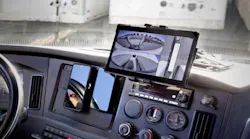
Netradyne recommends that fleets use driving data to identify when risky behaviors occur and adjust coaching programs accordingly. The company also recommends focusing on midday distraction and following-distance risks, using in-cab alerts, and recognizing drivers who consistently demonstrate safe behaviors.
“It’s clear that fleet safety goes far beyond rush hour. Analyzing 100% of drive time with full context gives fleets a clear place to focus,” said Pramod Akkarachittor, chief product officer for Netradyne. “We built Netradyne to turn that insight into action in the moment, with real-time in-cab alerts and recognition-based coaching that help safe habits stick when drivers need support most.”
What this means for the trucking industry
The findings suggest that fleet safety programs may need to look beyond traditional rush-hour risks. Midday driving deserves closer attention, particularly when drivers have been on the road for several hours and are managing delivery schedules, distractions, and fatigue.
For fleet executives, analyzing safety data by time of day can help make coaching more targeted and identify patterns that might otherwise go unnoticed. Fleets should consider their own operating data when determining where additional safety resources will have the greatest impact.