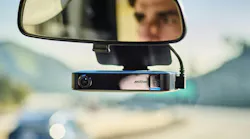
Linxup launches rear-vision cameras to improve fleet visibility and liability protection
Key takeaways
- Linxup added two rear-facing cameras that integrate with its existing LinxCam platform.
- The cameras help fleets document rear-end collisions, proof of service, and asset activity.
- Rear-facing cameras help fleets reduce blind spots behind vehicles during daily operations.
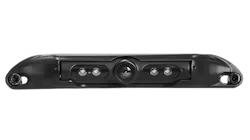
Linxup recently launched LinxCam Rear Vision and LinxCam Rear Vision Slimline to expand rear visibility for fleet vehicles. The company, which provides GPS fleet tracking and safety technology for small and midsize businesses, designed the auxiliary cameras to hardwire into its existing LinxCam system and capture areas not covered by forward-facing or in-cab cameras.
The rear-facing cameras are intended to help fleets document rear-end collisions, verify completed work, monitor assets, and provide evidence for liability claims. Linxup noted that rear-end collisions account for 29% of all crashes, making rear visibility an important factor when determining fault and responding to insurance or legal disputes.
The new products are available in two configurations designed for different fleet applications.
Rear camera options:
- LinxCam Rear Vision: Designed for fleets that need proof of service, asset monitoring, and documentation of rear-end collisions. It is intended for applications including towing, waste management, delivery, and other service fleets.
- LinxCam Rear Vision Slimline: Features a compact design that mounts above the license plate and is intended for fleets focused on rear-end collision documentation and rear vehicle visibility.
"Fleet operators need visibility into every part of the job, not just what is happening in front of the vehicle," Mike Garlow, product director of emerging products at Linxup, said. "LinxCam Rear Vision gives our customers an affordable way to close that gap. By adding rear-facing coverage to the existing platform, our customers can better protect their drivers, document completed work, and gain the evidence they need when questions arise after an incident."
What this means for the trucking industry
Rear-facing cameras continue to become part of broader fleet safety and risk management strategies. For fleets already using in-cab and forward-facing cameras, adding rear visibility may strengthen incident documentation, improve proof of service, and provide additional evidence when responding to insurance claims or customer disputes.