Key takeaways
- Mixed-powertrain fleets will require new technician training for diesel and alternative-fuel trucks.
- Intelligent diagnostics and OEM service tools will play a larger role in reducing fleet downtime.
- Technician shortages make recruiting and specialized training critical to maintaining fleet uptime.
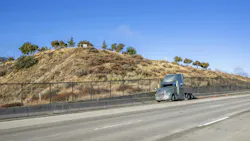
Keeping vehicles on the road is vital to a fleet’s success. And those trucks would not be kept in top operating condition without skilled professional technicians armed with the proper tools and training.
Research from the American Transportation Research Institute (ATRI) said that about 65.5% of shops were understaffed in 2025. And this is for shops that I am guessing are primarily working on diesel-powered trucks. Staying up on changes in diesel technology is hard enough, but as we start to see more fleets deploying alternative-fueled vehicles, things become even more challenging.
These newer vehicles will be operating in parallel with a wide range of older, traditional diesel trucks. That means technicians will need the skills to keep diesel trucks operating while also learning the nuances of maintaining and repairing natural gas, battery electric, and hydrogen fuel cell trucks.
OEMs will have to step up and develop training modules for servicing these alternative-fueled trucks; certification programs will need to be developed; and new procedures will have to be designed. With some alternative-fueled vehicles, safety concerns are heightened, and lockout/tagout procedures and safety equipment will become even more crucial.
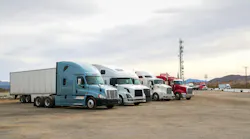 Predictive maintenance helps fleets reduce downtime and extend truck life
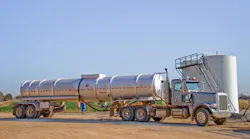 Tank trailer interior wear patterns signal corrosion risks and maintenance needs
The industry will have to step up and update or develop repair standards, and those standards will have to focus not only on the vehicles themselves but also on fueling and charging infrastructure.
We recently published a report, Messy Middle Powertrain Service & Maintenance, that tackles critical issues the industry must address to keep the wheels turning on the vehicles that will be on the road.
The report was developed as part of a cooperative class project between NACFE and the University of California at Riverside. The primary author, Marcos Alvera, conducted interviews with OEMs, fleet service managers, subject-matter experts, and NACFE personnel over nearly a year, under NACFE's direction.
The report is a guidebook for OEMs, fleets, drivers, dealerships, shops, and technicians on the breadth of complexity facing truck and trailer maintenance and service in the Messy Middle. It highlights the growing resources available to help the industry improve technician training and help prepare service center operations to better serve fleet needs.
One of the key takeaways from the research was that uptime will continue to depend on the skills of the technicians and the tools available to them. Intelligent OEM service tools and fault-diagnosis systems will be critical to reducing downtimes.
While some things will change in how we maintain the variety of vehicles in the market, others will stay the same. A windshield that needs to be replaced doesn’t really care what powertrain sits in the truck.
There will always be a need for professional, skilled technicians with a passion for their work, even as they adapt to new tools, diagnostic codes, and procedures. It is likely that we will see more specialization as each of these powertrains has unique service needs, but that just means the industry has to continue to do all it can to attract technicians. Given the rapid technological development in our industry, I would like to think it will be easier to get young people interested in what we do because it is pretty darn exciting.
About the Author
 Michael Roeth
Michael Roeth
Executive Director
Michael Roeth is the executive director of the North American Council for Freight Efficiency. He serves on the second National Academy of Sciences Committee on Technologies and Approaches for Reducing the Fuel Consumption of Medium and Heavy-Duty Vehicles and has held various positions with Navistar and Behr/Cummins.