What does your safety program tell drivers when they get it right?
Key takeaways
- Safety programs can give drivers more ownership through regular feedback and recognition.
- Positive reinforcement can complement corrective coaching to reinforce safer driving habits.
- Richards Building Supply saw a 41% improvement in safe driving behaviors over 60 days.

National Truck Driver Appreciation Week is an important opportunity to recognize the millions of drivers who keep our economy moving. It also raises a broader question about recognition—outside of this week: How often do the programs and systems built around our drivers acknowledge them when they’re doing a great job?
Imagine you’re a commercial fleet driver with 15 years of experience navigating city roads and busy highways. This is your profession, and you take pride in your work. But aside from how you feel about your driving, do you have an objective view of how well you’re performing? Do you receive regular feedback from your fleet manager? If you do, is it usually because you’re doing something well—or because something has gone wrong?
Shifting gears, imagine you’re a fleet manager responsible for the maintenance, dispatch, efficiency, and safety of hundreds, or even thousands, of vehicles and drivers. How often can you realistically coach every driver in your fleet? More importantly, how often can you recognize not just your top performers but also the drivers who consistently make good decisions behind the wheel?
Historically, most fleet safety programs have been designed primarily to help fleet managers identify and respond to risk. Telematics devices and cameras capture safety events. A scorecard identifies the highest-risk drivers, and fleet managers coach them to change behavior and reduce risk. These capabilities are important; they help fleets prevent collisions and operate more safely.
But their design has largely been manager-facing. A risk is identified, the fleet manager intervenes, and the driver is told to improve. From the driver’s perspective, the safety program is most visible when they’ve done something wrong. That creates an important design challenge: The individuals best positioned to impact a fleet’s safety—the drivers themselves—don’t interact with the safety program most of the time.
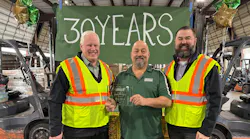 Peninsula driver award
 truck driver turnover thumbnail
If we want drivers to take greater ownership of their performance, safety programs need to do more than just identify mistakes. Additionally, they need to help drivers understand how they perform on a daily basis, where improvements can be made, and—perhaps most importantly—what they are already doing well.
Behavioral science tells us that lasting behavior change rarely comes from a single type of intervention. In fleet safety, this means it isn’t about choosing between a safety program that coaches drivers and one that recognizes and rewards them. The strongest programs do both—combining corrective coaching with ongoing feedback and positive reinforcement to help safer behaviors become habits.
We’ve seen this approach in practice. Richards Building Supply added a new layer to their existing safety program, giving drivers near real-time visibility into their performance, along with personalized goals and recognition for safe driving. In just 60 days, overall safe driving behaviors improved by 41%.
Instead of the safety program simply talking about the driver, it started also talking to them—and that distinction feels particularly relevant during National Truck Driver Appreciation Week.
This week lets us recognize drivers and extend our gratitude to the people who keep goods moving, businesses operating, and packages showing up on our doorsteps. But recognition doesn’t need to happen only once a year; it can be built into the systems and programs drivers use every day.
That same philosophy is behind Geotab’s new “Well Earned” program, which launched this week. It brings driver stories and recognition together while giving fleets ready-made ways to recognize their drivers—now in September, next month, next February, and every day after that.
If you’re a fleet manager, I’d encourage you to consider what your current safety program communicates to your drivers. Does it primarily identify their mistakes? Or does it help them see their performance, understand where they can improve, and recognize the safe decisions they make every day?
If we want drivers to engage and build safer habits that last, they need to be more than the subject of the safety program. They need to be part of it.
National Truck Driver Appreciation Week is a great moment to recognize the people behind the wheel and the important role they play. But the opportunity goes beyond this week. By designing safety programs that recognize what drivers do well, while helping them improve where it matters, we can create an experience drivers want to engage with—and give fleet managers a more scalable way to recognize more drivers, reinforce safe behaviors, and strengthen their safety culture.
Better for drivers, better for fleet managers, and ultimately better safety outcomes—a true win-win.
About the Author
 Steve Lockington
Steve Lockington
Steve Lockington serves as the president and CEO of Geotab Vitality, a joint venture between Geotab and Vitality Global. He is dedicated to transforming driver safety by pioneering the intersection of behavioral science and advanced telematics.