Why DEF sensors are essential to American trucking
Key takeaways
- SCR Optimization: DEF sensors are critical for Selective Catalytic Reduction (SCR), ensuring precise fluid dosing that NOx sensors alone cannot replicate.
- Cost Efficiency: Modern DEF systems offer a 2-3% fuel efficiency improvement, helping operators manage rising fuel and maintenance costs.
- Regulatory Balance: While the EPA has suggested only NOx sensors be used, urea quality sensors remain essential for meeting CARB and EU emissions standards economically.

While it seems hard to believe, a device less than two feet tall and weighing only 5 lb. enables truck drivers to transport freight across America efficiently.
America’s more than 3.5 million truck drivers are not only essential to the nation’s supply chain but are also a major economic growth engine. The trucking industry directly contributes approximately 5% of overall U.S. GDP. It moves more than 70% of the nation’s freight by weight, with volumes expected to grow through 2030 given the sustained uptick in the movement of goods across the country.
Diesel Exhaust Fluid (DEF) headers, inside a truck’s DEF tank, house critical sensors that make all of this possible.
Despite being carefully integrated into a vehicle’s emission control system, the Environmental Protection Agency (EPA) recently issued guidance reminding manufacturers that DEF-sensing urea quality sensors are optional. This guidance was based on a partial data set spanning more than a decade and the EPA’s discussions with truck drivers, farmers, and other operators about frustrations with DEF systems. The EPA noted that operators can instead use nitrogen oxide (NOx) sensors alone to comply with the EPA’s NOx emissions standards.
Like many Americans, truck drivers are navigating rising fuel prices, higher costs at the supermarket, and increasing health insurance premiums. The last thing they need are regulations that will actually make it more difficult and more expensive to do their jobs.
 fleetsexplained
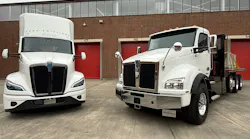 Kenworth electric trucks
Understanding the role of DEF in SCR performance
DEF systems are essential to the selective catalytic reduction (SCR) process in diesel vehicles, which uses chemical reactions to neutralize NOx emissions. DEF headers specifically monitor the DEF fluid level, temperature, and quality to help comply with stringent NOx emissions standards.
While NOx sensors are part of the SCR process, they most often work in tandem with urea quality sensors to accurately track DEF quality and NOx emissions. NOx sensors measure the NOx levels in the exhaust exiting the vehicle’s tailpipe but cannot measure DEF quality or track how much of it is being used. NOx sensors alone cannot optimize DEF dosing because they cannot track DEF concentration and lack the feed-forward control required to spray the ideal amount of DEF at each stage of the SCR process.
Like diesel fuel, DEF is an expense for truck drivers, and its usage must be carefully managed to avoid wasting money. Given the choice, why would a truck driver forfeit a system designed to optimize costly fluid consumption while avoiding financial penalties associated with failing to conform to emissions regulations?
The operational risks of removing DEF sensors
The EPA’s common-sense approach to regulation and focus on driving economic growth has the potential to further improve the current operating environment, but removing DEF quality sensors from trucks and other diesel equipment would negatively impact truck drivers. It could threaten the longevity of their vehicles.
Over the last decade, American DEF system manufacturers have worked closely with many well-known original equipment manufacturers (OEMs) to improve the performance of legacy DEF systems. Together, OEMs and their suppliers continue adjusting to evolving regulations, successfully extending the useful life of sensor equipment exposed to DEF and reducing false DEF sensor readings. Longer component service life, in addition to a typical 2-3% fuel efficiency improvement, has helped equipment operators lower operating costs with the latest-generation equipment.
What’s more, a proliferation of multiple engine management systems within a single vehicle manufacturer increases complexity and, ultimately, costs for consumers. Let’s remember that manufacturers reduce costs in part by leveraging scale.
The California Air Resources Board (CARB)-following states and the European Union, which are massive truck markets for OEMs, have very strict NOx emissions requirements and have no plans to change course, so it’s not economically feasible for vehicle manufacturers to change engine system architecture to follow the EPA’s evolving requirements while others continue to tighten them.
Bottom-line impact: Efficiency and economic stability
DEF systems ensure diesel equipment complies with clean air regulations while saving truck drivers money at the pump. America’s DEF system manufacturers have worked tirelessly with leading OEM partners to increase system reliability and reduce downtime for truck operators with several follow-on economic benefits.
The EPA’s current DEF regulations and recent engine inducement revisions strike a practical balance between increasing productivity, promoting economic growth, and complying with emissions regulations. Truckers are the foundation of our national economy, and we encourage the EPA to continue its common-sense approach to regulation, so that truckers can continue to do their jobs and keep our economy moving.
About the Author
 Andrew Sexton
Andrew Sexton
CEO
Andrew Sexton is CEO of Shaw Development, a Florida-based provider of DEF headers and sensors, as well as aftermarket repair solutions for diesel engines.
Andrew is an executive in the automotive manufacturing and distribution sector with more than 25 years of leadership experience at Tenneco, Federal-Mogul, and All-Star Auto Parts. Andrew’s focus on product development and commitment to quality and customer service has helped Shaw Development evolve into a leading aftertreatment and sensor development partner for many of the world’s leading commercial vehicle manufacturers.