Nelson-Jameson expands California cold storage to improve dairy logistics
Key takeaways
- Turlock adds ultra-cold storage maintained at -60°C (-76°F) for specialized dairy cultures.
- Regional storage is expected to reduce transit times, spoilage, and reliance on third-party carriers.
- Nelson-Jameson plans additional culture storage in Jerome, Idaho, for Northwest customers.
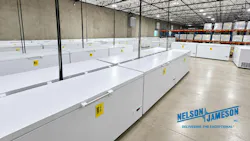
Nelson-Jameson recently added cold storage and logistics capabilities at its Turlock, California, distribution center to support dairy producers across the West Coast. The company is adding ultra-cold storage capacity for specialized cultures used in cheese manufacturing and fresh dairy products.
The Turlock facility features specialized cold storage maintained at -60°C (-76°F) to protect temperature-sensitive materials. The California location will also provide direct regional distribution, helping reduce lead times, time in transit, reliance on third-party carriers, and product spoilage rates.
The Turlock expansion follows a similar cold-chain infrastructure addition at the company's Fairview, Pennsylvania, distribution center, with plans to add culture storage in Jerome, Idaho, to serve customers across Idaho, Utah, and the Pacific Northwest.
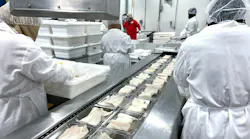

"This investment in Turlock represents a vital step in aligning our infrastructure directly with our West Coast customer needs," said Brian Hanson, director of operations for Nelson-Jameson. "By establishing these capabilities in California, we are eliminating transit vulnerabilities, protecting product quality, and ensuring West Coast dairy processors receive the reliable service they count on."
What this means for the trucking industry
The broader takeaway for fleet executives is that strategically placed storage capacity can influence transportation requirements—not just warehouse operations. As Nelson-Jameson adds regional capacity, its logistics network may require different routing, equipment utilization, and delivery planning across the markets it serves.