DHL expands cold chain network to improve healthcare shipping
Key takeaways
- DHL added six dedicated air corridors connecting Europe and North America with pharmaceutical markets across Asia.
- Boeing 777 freighters provide three compartments with separate temperature settings for healthcare cargo.
- DHL uses thermal blankets and validated handling procedures to limit exposure to unsuitable temperatures.
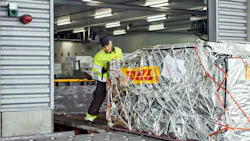
DHL Global Forwarding is expanding its DHL Health Logistics Cold Chain Network with six dedicated air corridors to strengthen transportation of temperature-sensitive healthcare products between Europe, North America, and Asia. The company is adding routes that connect pharmaceutical manufacturing, research, and distribution hubs while giving customers greater routing flexibility and more consistent transit performance.
The six new corridors are Liège-Shanghai, Brussels-Shanghai, Brussels-Singapore, Cincinnati-Singapore, Cincinnati-Tokyo Narita, and Cincinnati-Seoul Incheon. The routes provide access to temperature-controlled shipping capacity and are designed to reduce supply chain risk and protect product integrity.
Most flights operate within DHL's dedicated network, primarily using its yellow-branded aircraft. Keeping shipments within the network reduces handovers and gives DHL greater control over cargo handling throughout the transportation process.


DHL uses Boeing 777 freighter aircraft with three separate compartments that offer dedicated temperature settings to accommodate different cargo requirements. The network also uses specialized thermal blankets and validated handling procedures to limit exposure to temperatures outside the required range during handling and transfers.
"These new corridors further expand our Cold Chain Network into strategically important healthcare markets across Asia,” Henk Venema, global head of air freight for DHL Global Forwarding, said. “They respond to customer demand for reliable connectivity between major healthcare markets while giving us greater control over critical quality parameters throughout the transportation process. This enables our customers to move critical healthcare products with greater confidence and reliability."
What this means for the trucking industry
DHL's expanded air network could create additional opportunities for ground transportation providers supporting pharmaceutical distribution, airport transfers, and temperature-controlled deliveries. For logistics operators, tighter control over cargo handling and fewer transfers may help reduce the risk of temperature excursions and product damage. The new routes also underscore the importance of coordinating air freight with specialized cold storage and ground transportation to maintain product integrity across the supply chain.