ATRI finds highway congestion costs trucking industry $128.2 billion
Key takeaways
- Trucking congestion costs reached $128.2 billion in 2024, the third consecutive year above $120 billion.
- The average congestion cost per truck was $7,973 in 2024.
- Congestion led to 6.66 billion gallons of diesel being wasted, adding $25.04 billion in fuel costs.
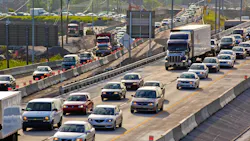
The American Transportation Research Institute (ATRI) recently found that highway congestion added $128.2 billion in costs to the trucking industry in 2024. The organization used truck GPS data and operational cost metrics to calculate the financial and operational impacts of traffic delays across U.S. roadways.
The 2024 total was $4.7 billion higher than in 2022 but slightly below the 2023 record of $129.8 billion. A prolonged freight recession reduced truck mileage, contributing to the decline. However, congestion costs have exceeded $120 billion for three consecutive years, compared with the pre-pandemic peak of $99.5 billion in 2019.


ATRI's analysis found that congestion caused 1.24 billion hours of delay in 2024—the equivalent of 451,615 truck drivers sitting idle for an entire year. The average congestion cost per truck reached $7,973.
The study also identified significant geographic differences in congestion costs. Texas led the states at $10.92 billion, followed by California at $10.47 billion and Florida at $10.35 billion. The 10 most expensive states accounted for 53% of nationwide trucking congestion costs. Among metropolitan areas, New York City ranked first at $7.49 billion, followed by Miami at $3.69 billion and Chicago at $3.54 billion.
Congestion also contributed to substantial fuel waste. Trucks consumed an additional 6.66 billion gallons of diesel while delayed in traffic, resulting in $25.04 billion in added fuel costs.
“Post-pandemic, the cost of operating a truck jumped significantly while at the same time congestion returned to U.S. highways, placing near-record costs on trucking, retailers, and consumers,” Jeremy Carmichael, VP of operations for Ruan Transportation Management Systems, said. “These costs can be addressed through targeted infrastructure investment in the nation’s most congested freight corridors and a commitment at every level of government to upgrade our highways and improve supply chain efficiency.”
What this means for the trucking industry
The findings highlight how highway congestion affects more than delivery schedules. Lost driver hours, wasted diesel, and higher operating costs put additional pressure on fleet profitability and supply chain efficiency. For fleet executives, congestion data can help identify costly freight corridors and inform routing, scheduling, and operational planning.