Clark: Five ways fleets can tackle the Thanksgiving travel rush
Key takeaways
- Early planning helps fleets balance holiday shipping demand, driver schedules, and available equipment.
- Route alternatives and real-time traffic data can help reduce delays and improve delivery efficiency.
- Driver safety, vehicle inspections, and contingency plans help fleets manage unexpected holiday disruptions.
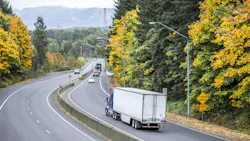
The Thanksgiving travel forecast is in: According to AAA, 81.5 million people will travel at least 50 miles from home between November 24 and November 30. With nearly 73 million expected to travel by car, it’s safe to say there’s a strong chance of increased traffic and unexpected challenges.
Commercial drivers will be sharing the road with these holiday travelers, and fleets must plan accordingly to ensure efficiency, minimize disruptions, and keep vehicles moving.
Here are five ways fleets can prepare for the peak transportation period:
1. Plan for increased demand
Balancing demand with available resources during holiday travel can be challenging for fleets, especially as retailers, food distributors, and consumer goods companies race to replenish inventory. The most successful fleets plan well in advance so they’re not scrambling to accommodate holiday schedules and shifting customer expectations, on top of increased road congestion.
Reviewing delivery schedules, anticipating periods of increased demand, coordinating with customers, and identifying potential bottlenecks can help managers allocate resources more effectively. From there, fleets can align driver schedules and maximize equipment utilization.
2. Optimize routes
When congestion is higher than usual, routine deliveries can turn into costly delays. Route optimization tools can help fleets analyze multiple alternate routes, while real-time traffic data helps fleets identify congestion and course-correct when necessary. Having route options ready before trucks are dispatched lets drivers respond quickly to accidents or other roadblocks. Paired with real-time visibility, this improves fuel efficiency and helps trucks navigate traffic with fewer disruptions.

3. Prioritize driver safety
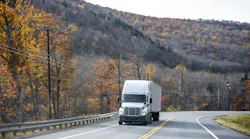
No one is immune to the stress that holiday traffic can bring, including truck drivers. Longer travel times and pressure to meet delivery schedules can lead to riskier driving and accidents. Fleets should reinforce safe driving practices with pre-holiday safety briefings, reminding drivers to maintain safe following distances and avoid speeding to make up lost time. Reviewing weather forecasts and projected traffic conditions is also helpful.
Fatigue management is especially important during these busy seasons. Fleet managers should closely monitor hours-of-service compliance and encourage drivers to take regular breaks. Keep lines of communication open and effective between drivers and dispatchers so drivers can report issues and fleet managers can make changes without compromising safety.
4. Maintain visibility with technology
During unpredictable travel conditions, visibility is crucial, and technology is your fleet’s friend. Telematics and fleet management systems provide insights into vehicle locations, fuel usage, and asset performance, allowing you to address issues before they escalate.
Technology can also help with better decision-making. Fleet managers can use performance data to identify inefficiencies and track key metrics like idle time and fuel consumption. The information available to fleets through technology can help them navigate situations in real time and highlight opportunities to improve future routes and schedules.
5. Build flexibility
Even the most carefully curated fleet management strategies can take the wrong turn, especially during the holiday rush. Building flexibility into operations sets your fleet up for success, and preparation starts with contingency planning. Fleets should identify alternate routes and establish rerouting procedures, while also ensuring backup equipment is available if a vehicle experiences mechanical issues.
Conducting pre-holiday inspections ensures vehicles are ready from a maintenance perspective, and confirming access to roadside support services provides a safety net for when the vehicles are in transit.
The mindset here is “not if, but when.” Being able to pivot despite the circumstances gives fleets the confidence to recover and keep things moving.
While heavy traffic and increased operational complexity are heightened during the holiday season, the strategies we’ve discussed to address these challenges can and should be applied to fleets year-round. The hustle and bustle of Thanksgiving serves as a valuable reminder that preparation, visibility, and adaptability position fleets to thrive.
About the Author
Jane Clark
Senior VP of Operations
Jane Clark is the senior vice president of operations for NationaLease. Prior to joining NationaLease, Jane served as the area vice president for Randstad, one of the nation’s largest recruitment agencies, and before that, she served in management posts with QPS Companies, Pro Staff, and Manpower, Inc.
Related
 traffic congestion trucking
 traffic congestion trucking industry

